
Mushroom coffee
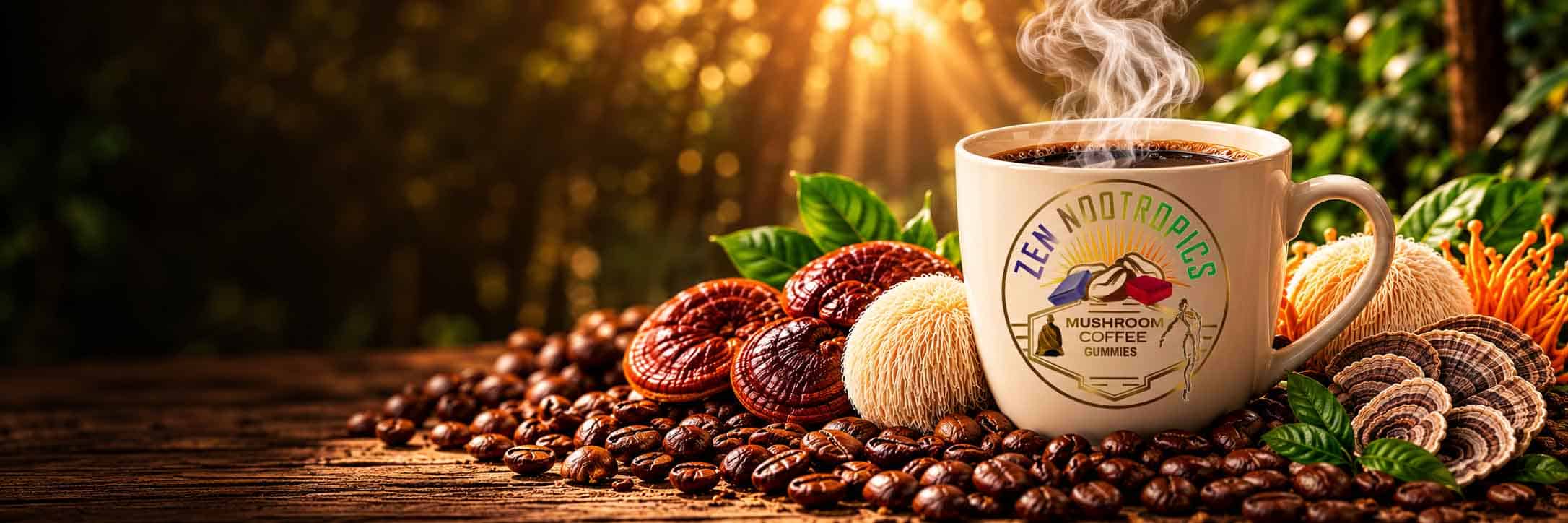
Usually coffee blended with functional mushroom ingredients. Many products still contain caffeine; levels depend on the coffee portion and formula.
Explore mushroom coffeeZen Nootropics • Beverage education
Looking beyond traditional coffee? Compare popular coffee alternatives—from mushroom coffee and matcha to chicory, herbal blends, and decaf—to find a drink that suits your taste, caffeine preferences, and daily routine.
Compare alternatives Find your fitStart here
Coffee alternatives are beverages people choose instead of—or alongside—traditional brewed coffee. Some contain caffeine, while others are naturally caffeine-free. Their flavors range from earthy and roasted to grassy, nutty, or herbal.
There is no single “best” substitute. A satisfying choice depends on whether you want the familiar coffee ritual, a different caffeine level, a gentler flavor, or an ingredient list that aligns with your preferences.
Coffee alternatives are not automatically healthier than coffee. Compare serving sizes, sweeteners, caffeine content, and the evidence behind any functional-ingredient claims.
Six options to explore
Caffeine amounts depend on the product, preparation, and serving size. Check the label rather than assuming every beverage in a category is identical.
Usually coffee blended with functional mushroom ingredients. Many products still contain caffeine; levels depend on the coffee portion and formula.
Explore mushroom coffeeTea-based alternatives that typically contain caffeine and naturally occurring L-theanine. Matcha has a distinct grassy flavor and preparation ritual.
Roasted chicory can deliver a dark, coffee-like flavor without caffeine when it is not blended with coffee or other caffeinated ingredients.
Barley and other roasted grains can create a toasty flavor. Check for gluten-containing grains if you have celiac disease or gluten sensitivity.
Many herbal infusions are naturally caffeine-free, with flavors that differ substantially from coffee. Always verify the ingredients in blended products.
The closest option for familiar coffee flavor and brewing. Decaf is not necessarily caffeine-free, but generally contains much less than regular coffee.
Compare what matters
Start with decaf, a roasted chicory blend, or mushroom coffee made with real coffee. Compare flavor notes and preparation methods.
Consider decaf or products with disclosed caffeine amounts. Herbal and chicory-only beverages may contain none, but verify blended formulas.
Mushroom blends and tea offer different ingredient profiles. Look for clear labeling rather than relying on promises of dramatic health effects.
A practical selection guide
A “coffee alternative” can still contain caffeine. Consider your other daily sources, including tea, soda, and supplements.
Compare sugar, sweeteners, flavorings, botanical extracts, and functional mushroom species, where applicable.
Roasted chicory and decaf feel closer to coffee; matcha and herbal drinks provide different experiences.
Some drinks use a coffee maker, while others need whisking, steeping, or simple mixing with hot water.
Distinguish ingredient research from clinical evidence on a finished beverage. Be wary of sweeping wellness claims.
Check for allergens, gluten-containing grains, medication interactions, and ingredients that may not suit your health needs.
Explore related guides
Understand coffee and mushroom ingredient blends, caffeine, and what to look for on the label.
Read the mushroom coffee guideLearn about Lion’s Mane, Cordyceps, Reishi, Chaga, and Turkey Tail.
Explore functional mushroomsCompare popular ingredients, research quality, and supplement selection criteria.
Explore nootropic supplementsFor independent caffeine information, consult the FDA’s caffeine guidance. For dietary supplement research and safety information, visit the NIH Office of Dietary Supplements.
Frequently asked questions
Not always. Matcha, tea, and many mushroom coffee blends contain caffeine. Chicory-only and many herbal beverages are naturally caffeine-free.
Often, yes. Many mushroom coffee products combine coffee with mushroom ingredients, though some alternatives use a coffee-free base.
Decaffeinated coffee is the closest match. Chicory and roasted grain blends may also provide a dark, toasted profile.
Not inherently. The answer depends on the product, its ingredients, caffeine content, and your individual preferences and health needs.
Yes. Some blends contain Lion’s Mane, Cordyceps, Reishi, Chaga, or Turkey Tail. Check the species, ingredient quantities, and manufacturer information.
Continue exploring
Learn about mushroom coffee and functional ingredients without exaggerated promises.
Explore mushroom coffee Explore functional mushrooms