$0.00 0

Cart

No products in the cart.

ZEN NOOTROPICS / LEARN

Meet the mushrooms.
Understand the benefits.

Your guide to functional mushrooms.

Explore Lion’s Mane, Cordyceps, Reishi, Chaga, Turkey Tail, Maitake and Shiitake: what they look like, why people use them and how they feature across our coffee, gummies and tinctures.

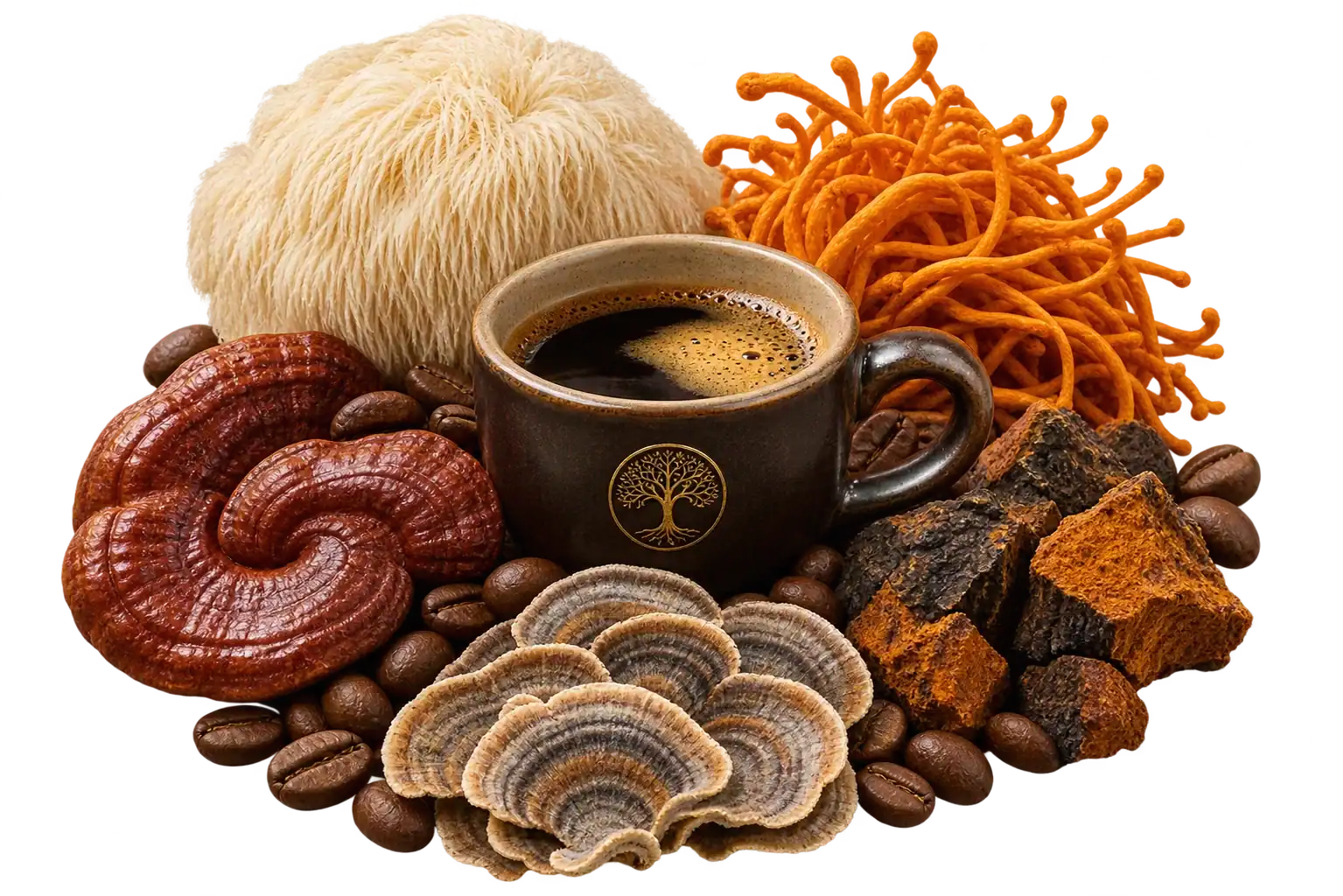
Lion’s Mane, Cordyceps, Reishi, Chaga and Turkey Tail arranged around coffee

START WITH THE BASICS

What are functional mushrooms?

Functional mushrooms are fungi used in foods, beverages and supplements for their naturally occurring compounds and histories of traditional use. “Functional” is an educational and marketing term, not a medical classification.

Different mushrooms contain different compounds. Beta-glucans are one group of polysaccharides found in fungal cell walls; other constituents vary by species. An interesting ingredient is a starting point for research, not a guarantee of a particular result.

The seven mushrooms below span different Zen formulas. Our coffee contains five species; Reishi Relax Drops use a different five-mushroom blend, while Chaga Immune Drops contain six. No single blend represents every product.

SEVEN MUSHROOM INGREDIENTS

A closer look at the ingredients.

Use this visual guide to compare their identities, potential benefits and evidence.

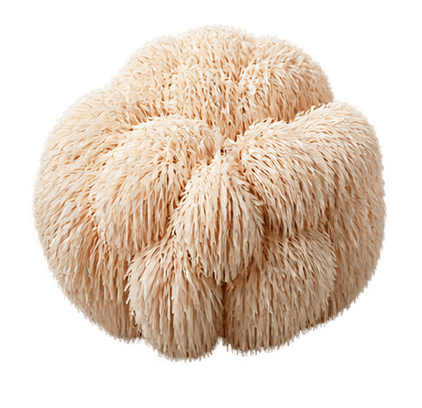
01 / INGREDIENT PROFILE Lion’s Mane mushroom

Hericium erinaceus

Focus & cognitive research

Lion’s Mane

A white mushroom with cascading, tooth-like strands rather than a typical cap. It is also used as a culinary mushroom.

Why people explore it

Memory, attention and mood are the main areas of interest.

What the evidence says

Small human studies are encouraging, but results are preliminary. They do not establish that any coffee or gummy improves cognition.
Research & safety reference: Lion’s Mane →
02 / INGREDIENT PROFILE Cordyceps mushroom

Cordyceps species

Energy & exercise research

Cordyceps

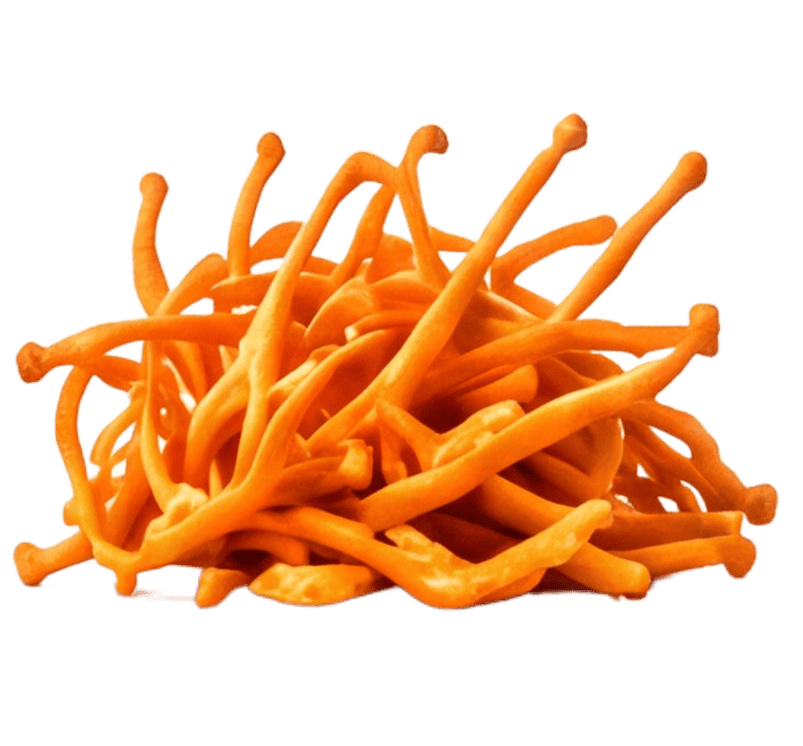
Often pictured as slender orange fruiting bodies. Cultivated Cordyceps militaris differs from the caterpillar-associated fungus Ophiocordyceps sinensis.

Why people explore it

Stamina, exercise performance and fatigue are common research topics.

What the evidence says

Human exercise studies have mixed results. Species, preparation and dose differ between studies, so one extract cannot stand in for every cordyceps product.

Research & safety reference: Cordyceps →
03 / INGREDIENT PROFILE Reishi mushroom

Ganoderma species

Traditional wellness & immune research

Reishi

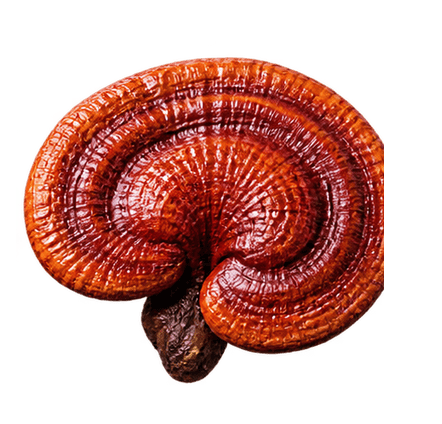
Recognized by a glossy, reddish-brown shelf-like cap. Reishi has a long history of use in East Asian wellness traditions.

Why people explore it

General well-being, relaxation routines and immune-related research.

What the evidence says

Some small clinical studies exist, but broad benefits remain uncertain. Traditional use is not proof that a product improves sleep or prevents illness.

Research & safety reference: Reishi →
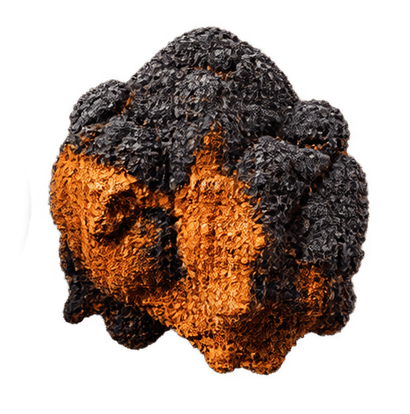
04 / INGREDIENT PROFILE Chaga mushroom

Inonotus obliquus

Antioxidant & immune research

Chaga

A dark, crust-like fungal growth often associated with birch trees, with a rusty brown interior. It looks very different from a capped mushroom.

Why people explore it

Its compounds are investigated for antioxidant activity and effects on immune signaling.

What the evidence says

Most evidence comes from laboratory or animal work. Clinical benefits in people have not been established. Concentrated use also raises kidney and medication-interaction concerns.

Research & safety reference: Chaga →
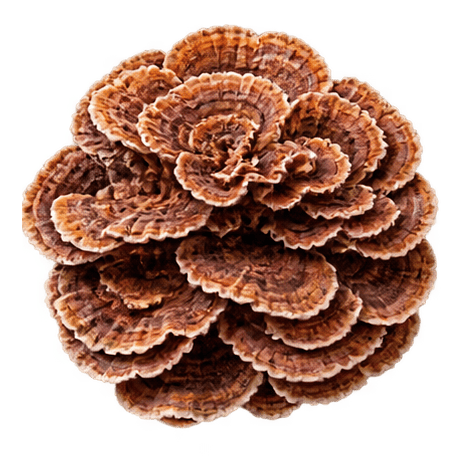
05 / INGREDIENT PROFILE Turkey Tail mushroom

Trametes versicolor

Polysaccharide & immune research

Turkey Tail

Thin, fan-shaped brackets with bands of color resemble a turkey’s tail. This wood-growing fungus is widely recognized for its striped appearance.

Why people explore it

Polysaccharides and their effects on immune function are a major research focus.

What the evidence says

Research includes specialized extracts used in clinical settings. Those findings cannot be assumed to apply to ordinary mushroom drinks or retail supplements.

Research & safety reference: Turkey Tail →
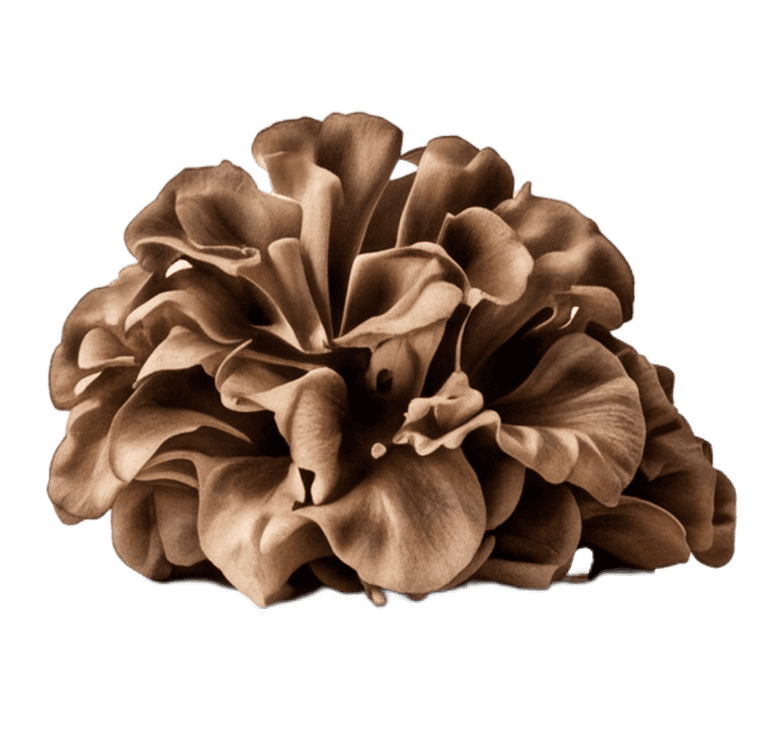
06 / INGREDIENT PROFILE Maitake mushroom

Grifola frondosa

Immune & metabolic research

Maitake

A culinary mushroom also called hen of the woods. Its overlapping, fan-shaped caps form a leafy cluster.

Why people explore it

Its beta-glucans and other polysaccharides are studied for effects on immune activity and metabolic markers.

What the evidence says

Human evidence is limited and depends on the extract studied. It does not establish that a retail tincture prevents illness or treats blood sugar conditions.

Found in Zen’s Reishi Relax Drops and Chaga Immune Drops.

Research & safety reference: Maitake →
07 / INGREDIENT PROFILE Shiitake mushroom

Lentinula edodes

Nutrition & immune research

Shiitake

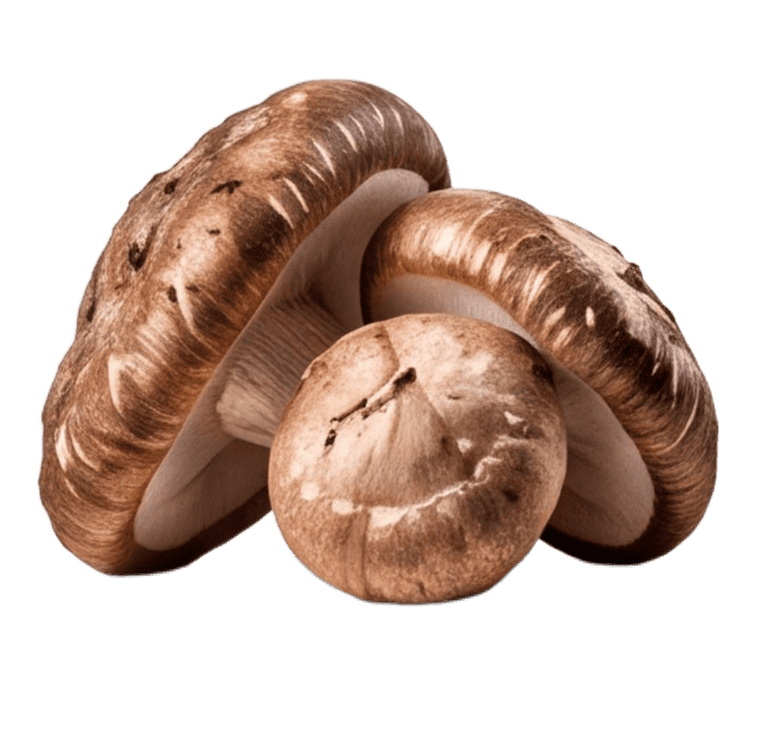
An edible mushroom with a rounded brown cap and pale gills, widely used in cooking and also found in mushroom extracts.

Why people explore it

Researchers study its polysaccharides, including lentinan, and possible effects on immune markers and other aspects of health.

What the evidence says

Small studies have mixed results. Findings about specialized lentinan preparations cannot be assumed to apply to food, gummies or drops.

Found in Zen’s Reishi Relax Drops and Chaga Immune Drops.

Research & safety reference: Shiitake →

DIFFERENT PRODUCTS. DIFFERENT BLENDS.

Which mushrooms are in each formula?

The number of mushrooms describes a specific formula, not the entire Zen range. These blends illustrate why checking each product’s ingredient list matters.

Mushroom Coffee · 5 mushrooms

Lion’s Mane • Cordyceps • Reishi • Chaga • Turkey Tail

Classic and First Responder’s Edition use the same blend in different bag designs.

Explore the coffee →

Reishi Relax Drops · 5 mushrooms

Reishi • Chaga • Maitake • Shiitake • Turkey Tail

This five-mushroom formula differs from the coffee blend.

Explore Relax Drops →

Chaga Immune Drops · 6 mushrooms

Chaga • Reishi • Maitake • Shiitake • Turkey Tail • Cordyceps

A six-mushroom complex, with Cordyceps alongside the five species in Relax Drops.

Explore Immune Drops →

Gummies and other tinctures have their own ingredient combinations and amounts. Always use the individual product label as your reference.

BENEFITS WITH CONTEXT

Promising research. Thoughtful expectations.

Traditional use

A long history can explain why an ingredient attracts interest. It does not establish its effectiveness or safety for every person.

Laboratory findings

Cell and animal studies explore mechanisms. They cannot prove that drinking a coffee or taking a gummy produces the same effect in humans.

Human studies

Look at the species, preparation, amount and population studied. Findings about a specific extract do not automatically validate a finished consumer product.

Ingredient references are linked within each profile. They are independent educational resources, not endorsements of Zen Nootropics products.

FROM KNOWLEDGE TO YOUR ROUTINE

Choose the format. Read the label.

Mushroom coffee

A familiar brewed-coffee ritual with added mushroom ingredients. Check the mushroom amounts, serving size and caffeine; coffee blends are not automatically caffeine-free.

Read the Mushroom Coffee Guide →

Mushroom gummies

A convenient serving format. Compare the mushroom ingredients, amounts per serving, added sugar and any other active ingredients.

Explore Mushroom Gummies →

Mushroom tinctures

Liquid preparations with their own concentrations and serving instructions. Check the extraction method and carrier; liquid does not automatically mean more effective.

Explore Mushroom Tinctures →

A useful label checklist

Check the species • mushroom part used • amount per serving • extract details • beta-glucan information where available • contaminant testing • allergens and other ingredients. Fruiting body and mycelium describe different parts of a fungus; quality depends on more than that distinction alone.

LOOKING AHEAD / PLANNED SKINCARE

A future chapter in mushroom skincare.

Our planned skincare line will introduce additional mushroom ingredients alongside some already described in this guide. This is a preview of ingredients planned for future products, not a statement that these products are currently available.

White Truffle Mushroom

Planned skincare ingredient. Detailed ingredient identity, imagery and formulation-specific information will be added as the line is finalized.

Snow Mushroom

Planned skincare ingredient. Its role in the finished topical formula will be described separately from oral mushroom products.

Cauliflower Mushroom

Planned skincare ingredient. Ingredient details and supporting information will accompany the future skincare launch.

USE WITH CARE

A little knowledge goes a long way.

Mushroom products can cause allergies or digestive symptoms and may interact with medications. Speak with your healthcare professional before concentrated supplements if you take medicines, have a health condition, are pregnant or nursing, or are preparing for surgery.

These mushrooms are distinct from psilocybin-containing mushrooms. They are not substitutes for medical treatment, and this guide is not a wild-mushroom identification or foraging guide.

Ask Us About Our Ingredients →

Educational content reviewed November 2026. Research evolves. No specific health outcome is guaranteed.