Mushroom Coffee Side Effects: Risks and Safety Tips
You want a morning coffee that fits your focus goals and agrees with your body. Mushr...
Read Article →

That first sip of morning coffee should feel like a warm hello, not a jolt to your nervous system. For many of us, though, a cup or two ends with shaky hands, a fluttering heart, and a mind racing in five directions at once. If that sounds familiar, you’re far from alone. Coffee without jitters […]
That first sip of morning coffee should feel like a warm hello, not a jolt to your nervous system. For many of us, though, a cup or two ends with shaky hands, a fluttering heart, and a mind racing in five directions at once. If that sounds familiar, you’re far from alone. Coffee without jitters is very possible, and you don’t have to give up the ritual you love to get there.
Most coffee jitters come down to a few things you can control: how much caffeine you take in, when you drink it, and what’s actually in your mug. Small changes in those areas can turn a jumpy morning into a calm, focused one.
In this guide, you’ll learn why coffee makes some people jittery and seven practical ways to enjoy coffee without jitters. You’ll also see how lower-caffeine options like half-caf, decaf, and mushroom coffee compare, and what to look for in a mushroom coffee blend before you make the switch.
Coffee makes some people jittery because caffeine speeds up the central nervous system, and some bodies react more strongly than others. Your genes, your sleep, and the size of your cup all shape how intense that reaction feels. Understanding these pieces is the first real step toward coffee without jitters.

Caffeine blocks adenosine, a brain chemical that builds up during the day and makes you feel sleepy. Think of adenosine as your body’s natural dimmer switch. Caffeine steps in and keeps the lights turned up.
With adenosine blocked, your body also releases more adrenaline. Your heart beats faster and your mind feels sharp and alert.
In the right amount, that feels like focus. Too much, and it turns into shakiness, a racing heart, or restlessness.. The FDA lists increased heart rate, palpitations, jitters, anxiety, upset stomach and nausea among the signs of too much caffeine.
Many options exist for those who wish to consume coffee without jitters, ensuring a tailored experience.
Caffeine sensitivity varies widely from person to person. Some people drink espresso after dinner and sleep soundly. Others feel wired after one small cup at breakfast.
Genetics play a large part. A liver enzyme called CYP1A2 breaks down caffeine, and some people process it slowly. For them, caffeine stays in the body longer and feels stronger.
Medications, pregnancy, and regular caffeine use also change how you respond. Many people notice their tolerance shifts over the years, too. A coffee habit that felt easy at 30 may feel very different at 50.
The size of your cup is the easiest factor to miss. A “cup” at a café can hold 16 or 20 ounces, which means two or more standard servings. Other factors stack on top of dose:
Choosing coffee without jitters means experimenting with various options until you find the perfect fit for your lifestyle.
The most reliable fix is lowering your caffeine intake gradually. Each step below changes your dose, your timing, or what fills your cup.
You don’t need to try all seven at once. Pick one or two, give them a week, and notice how you feel. Your body will tell you what’s working.
Cut back slowly. Dropping from four cups to one overnight can bring headaches and tiredness from caffeine withdrawal. That rough patch makes many people give up and go right back to their old habit.
Instead, trim by about a quarter of a cup every few days until you find a level that feels comfortable. Here’s a real-world example: if you drink three 12-ounce mugs a day, make the third one a 6-ounce cup for a week. Then shrink the second one a little.
A slow taper is the gentlest path to coffee without jitters. It also gives you time to learn your comfortable daily amount, which may be lower than you expected overnight can bring headaches and tiredness from caffeine withdrawal. Try trimming by about a quarter of a cup every few days until you find a level that feels comfortable. To completely enjoy your coffee without jitters, consider switching to lower-caffeine alternatives.
Half-caf blends regular and decaf beans, giving you roughly half the caffeine with the same rich taste. You keep the aroma, the warmth, and the ritual. You simply lose some of the buzz.
Decaf goes further, though it isn’t fully caffeine-free. Most decaf still carries a small amount.
Plenty of people who want coffee without jitters find half-caf is the sweet spot. You can buy it pre-blended or mix your own at home by combining your favorite regular beans 50/50 with decaf. At a café, just ask for a half-caf. Most baristas are happy to make it.ethods.
Some blends are built to carry less caffeine per scoop. Mushroom coffee, for example, often replaces part of the coffee with mushroom extracts. That means less coffee, and usually less caffeine, in every serving.
Check the label for a stated caffeine amount per serving. If the brand doesn’t list one, treat it like regular coffee until you know how it feels.

Finding coffee without jitters may require trying different brands that cater to your caffeine sensitivities.
The easiest path to coffee without jitters often starts with something simple: how much coffee is actually in your mug. Many people blame the beans, the brand, or their own sensitivity for that shaky, heart-racing feeling. The real cause is often portion size.
Start by measuring your coffee and your mug. For one week, use a scoop and a measuring cup every time you brew. You’ll see exactly what you’re drinking. Many people discover their “one cup” is actually two servings, and sometimes closer to three.
Caffeine works in a fairly direct way. The more you take in at once, the stronger the effect on your nervous system. A small, steady amount can give you a pleasant lift. A large dose all at once is more likely to bring a racing heart, restless hands, an uneasy stomach, or that wired-but-tired feeling.
Have your coffee with or after breakfast. Food slows how fast caffeine reaches you, which can soften the peak. Also keep coffee earlier in the day. Caffeine taken many hours before bed can still cut sleep, so the afternoon cup affects you more than the early one. Poor sleep then makes the next morning’s coffee feel harsher.
Many options for coffee without jitters exist to explore for those who prioritize comfort.
Add up everything. A soda at lunch, a black tea in the afternoon, or a pre-workout drink can double your daily total.
Picture a busy day: two large café coffees, a cola with lunch, and a pre-workout scoop before the gym. That can add up far faster than you’d think, especially for active people who rely on stimulants for training.
For most healthy adults, 400 mg a day is the general upper limit cited by health agencies, and less than 200 mg during pregnancy. These are broad guidelines, not personal targets. Your comfortable amount may be much lower.
Counting every source turns coffee without jitters from guesswork into a clear plan.
Swap one cup a day for something gentler. Green tea, herbal tea, or a warm caffeine-free drink can fill the afternoon slot nicely. Keep your morning coffee and replace only the cup that tends to push you over the edge.
Mushroom coffee is another popular option, offering a familiar coffee flavor with significantly less caffeine per cup. We explore how mushroom coffee compares in detail in the section below.
Stay hydrated through the day, too. Water won’t flush caffeine out faster, but dehydration can make you feel worse.
Quick recap: Lower the dose, shift the timing, and count every source. Those three moves make coffee without jitters part of your everyday routine.
Mushroom coffee is a reasonable option if you want a lower-caffeine cup that still tastes like coffee, as long as you remember most versions still contain caffeine. How much depends on the brand and the recipe. Mushroom coffee is an exceptional choice for those seeking coffee without jitters.
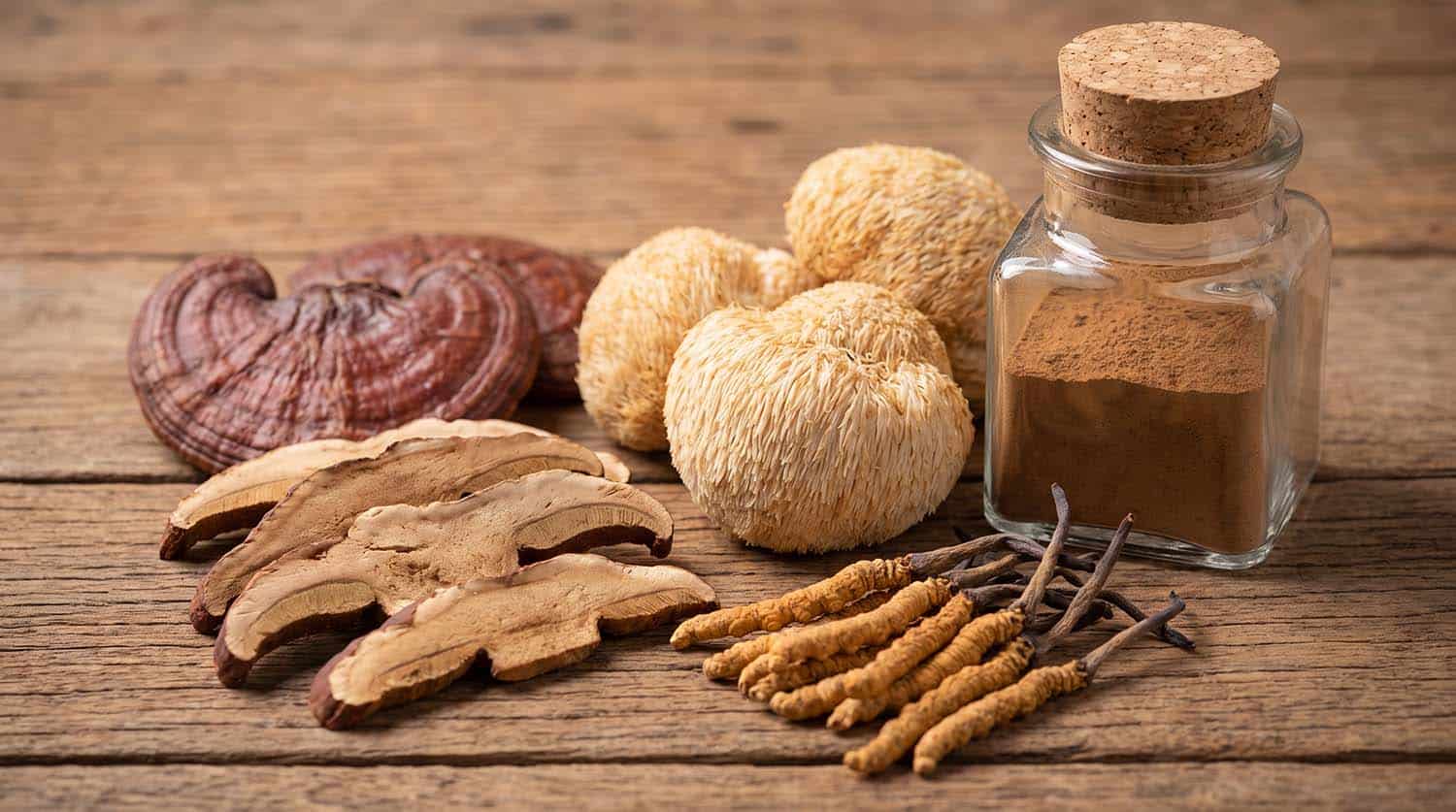
Mushroom coffee blends ground coffee with powdered functional mushrooms such as Lion’s Mane, Cordyceps, Reishi, Chaga, and Turkey Tail. Some products are mostly coffee. Others use less coffee and more mushroom, and a few contain no coffee at all. Because part of the scoop is mushroom, there’s often less coffee in each serving. That’s the main reason many blends land lower in caffeine. The taste stays close to coffee, which helps you keep your morning ritual.

A regular 8-ounce cup of coffee holds between 80 and 160 milligrams of caffeine, while mushroom coffee ranges from 35 to 50 milligrams per 8-ounce serving depending on the brand. That range shifts with:
Brewing style matters too. Cold brew coffee is not automatically lower in caffeine, as it can be brewed as a strong concentrate.
Functional mushrooms don’t cancel out caffeine. The caffeine in your cup still affects your body the same way. Any difference in how you feel comes mostly from drinking less caffeine per serving. Research on the mushrooms themselves is still early. Studies on Lion’s Mane and Reishi show some promise, but most use isolated extracts, not mushroom coffee drinks. Some people pair caffeine with L-theanine, an amino acid found in green tea, which has been studied for smoother focus. It’s not a proven quick fix for jitters once they start.

Caffeine per serving is the clearest way to compare drinks if you have caffeine sensitivity or want better sleep quality. The table below shows typical amounts, with notes on which figures are well documented and which are estimates.
| Drink (8 oz) | Typical Caffeine | How Reliable | Practical Notes |
|---|---|---|---|
| Regular coffee | 80–160 mg | FDA range | Wide spread by bean, roast, and brew |
| Half-caf coffee | About 40–80 mg | Estimate (half of regular) | Same taste, easy switch |
| Decaf coffee | Small amount, varies | Varies by product | Not fully caffeine-free |
| Mushroom coffee | 35–50 mg | Brand-dependent range | Check each label |
| Green tea | About 29 mg | Average figure | Contains L-theanine |
| Herbal tea or caffeine-free drinks | 0 mg | Naturally caffeine-free | Good for afternoons and evenings |
Matcha is a special case. Because you drink the whole leaf powder, it ranges from about 38 to 178 mg depending on how much you use, so it can rival coffee. Hot cocoa sits near 5 mg per cup. Use the table as a starting point. If you want to enjoy coffee without jitters, pick the drink whose caffeine matches the time of day: a full or reduced cup in the morning, and a low or zero option after lunch.

Choose a mushroom coffee blend by checking the label first, then judging taste and convenience. Marketing words like “clean energy” tell you little about how your body will respond. Look for these details:
Start with a smaller serving in the morning and note how you feel over a few days. If the blend fits your routine without hurting your sleep quality, keep it there. If not, mix it with decaf or use less.
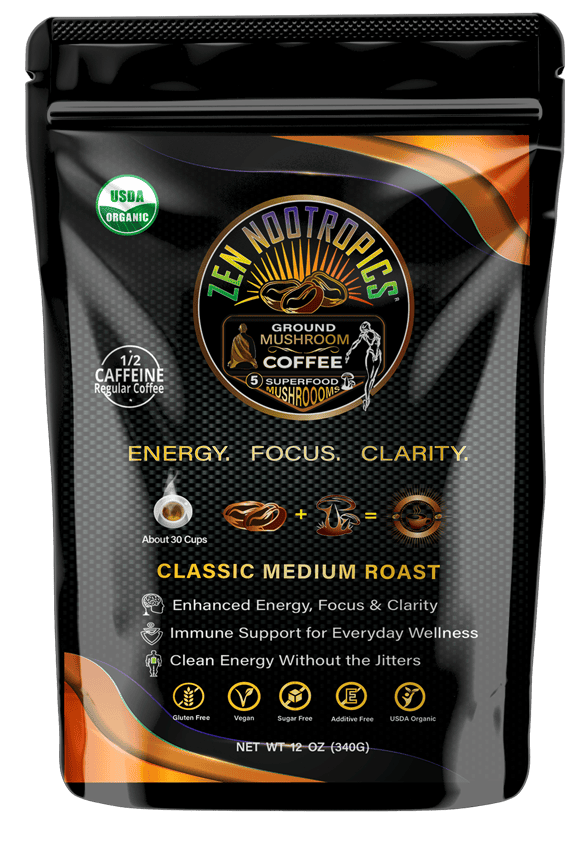
If you’re curious about adding functional mushrooms to your coffee routine, Zen Nootropics offers a Colombian coffee blend featuring five mushrooms: Lion’s Mane, Cordyceps, Reishi, Chaga, and Turkey Tail. It’s an option for coffee enthusiasts interested in mushroom-based ingredients while continuing to enjoy real coffee. Because caffeine sensitivity varies, always check the product’s caffeine information and choose a serving that suits your needs. Explore Zen Nootropics Mushroom Coffee
The suggested brew is 2 tablespoons with 6 to 8 ounces of water, and it works hot or as cold brew. Since it still contains coffee, use the same caffeine habits above: a measured serving, earlier in the day, with food.
A calmer cup comes down to caffeine exposure. Measure your serving, keep coffee earlier, eat something with it, and count every source you drink. Lower-caffeine options like half-caf, decaf, green tea, and mushroom coffee give you room to keep the ritual while easing the dose. Know the warning signs too. Chest pain, or a racing or irregular heartbeat with fainting or shortness of breath, means calling 911. If you’re pregnant, take regular medication, or have a heart rhythm condition, ask your clinician how much caffeine is right for you.
Decaf is your best bet because it contains only a small trace of caffeine. Half-caf and lower-caffeine blends come next, giving you a gentler lift with plenty of rich, comforting flavor. Mushroom coffee is another great path to coffee without jitters, since many blends use less coffee per scoop. Caffeine amounts vary, so check the label first. Whatever you brew, a smaller serving helps keep your energy smooth and steady.
For most people, coffee jitters fade within a few hours as the body processes the caffeine. If you’re a slow caffeine metabolizer or drank a large dose, the shaky feeling can last longer. To make coffee without jitters part of your routine, watch your serving size, avoid back-to-back cups, and try a lower-caffeine or mushroom coffee blend.
No proven method stops jitters instantly. Your body needs time to process the caffeine. You can still feel calmer while it wears off: eat a light snack, sip water, slow your breathing, or take a short walk. Over the long term, coffee without jitters comes down to knowing your tolerance and choosing a gentler dose.
Sudden jitters usually signal a shift in your routine. Poor sleep, a spike in stress, a stronger brew, or a bigger serving can leave you feeling wired. New medications and hidden caffeine in sodas, teas, or energy drinks can also play a role. Track your daily total, protect your sleep, and coffee without jitters is well within reach.
Not always. Caffeine content varies by brand and blend, so check the label before your first cup. Start with a smaller serving, then adjust. Functional mushrooms like Lion’s Mane and Reishi won’t erase caffeine’s effects, but a lower-caffeine blend and mindful habits can help you find coffee without jitters that fuels calm, steady mornings.