Mushroom Coffee Side Effects: Risks and Safety Tips
You want a morning coffee that fits your focus goals and agrees with your body. Mushr...
Read Article →

Looking for low acid coffee alternatives that fit your morning routine? From specially processed low-acid coffee and decaf to chicory beverages and caffeine-free herbal teas, several options are worth exploring. However, a drink with lower measured acidity isn’t necessarily less likely to trigger heartburn or acid reflux. Caffeine content, serving size, other ingredients, and individual […]
Looking for low acid coffee alternatives that fit your morning routine? From specially processed low-acid coffee and decaf to chicory beverages and caffeine-free herbal teas, several options are worth exploring.
However, a drink with lower measured acidity isn’t necessarily less likely to trigger heartburn or acid reflux. Caffeine content, serving size, other ingredients, and individual sensitivity can all influence how a beverage affects you.
In this guide, we’ll compare seven popular alternatives, explain what makes them different, and examine where mushroom coffee fits into the conversation. You’ll also learn what to look for when choosing a drink that matches your taste, caffeine preferences, and digestive tolerance.
Your options fall into three groups: drinks that still contain coffee, caffeine-free substitutes, and blends that add other ingredients. Finding the right low-acid coffee alternatives comes down to changing one factor at a time, such as roast chemistry, brewing temperature, or caffeine level.

Some brands sell low-acid coffee made with special roasting or steaming methods. These coffees can taste smoother and less sharp. The evidence for symptom relief is weak, though. In one randomized, double-blind trial funded by a low-acid brand, 30 coffee-sensitive people found no difference in heartburn, regurgitation, or stomach upset between the low-acid coffee and a regular coffee. Treat “low acid” on a label as a taste and marketing claim unless a brand shows clinical data. With careful consideration, you can find low acid coffee alternatives that meet your taste and health requirements.
Longer roasting breaks down chlorogenic acids, which is one reason darker roasts often taste less bright. Research on roasted coffee shows that lower levels of these acids lead to a less acidic, higher-pH brew. Dark roast still contains caffeine and other compounds, so a gentler taste is no promise of fewer symptoms.
Cold brew steeps grounds in cool water for many hours. Its pH is close to hot coffee, with cold brew ranging from 4.85 to 5.13 in one 2018 study, though it showed slightly lower total acidity. Many people also dilute cold brew with ice or water, which can soften both flavor and strength.
Decaf coffee keeps the flavor and ritual while removing most of the caffeine. If caffeine is what bothers you, decaf is one of the most direct swaps to test. Decaf is still coffee, though, so its natural acids and other compounds remain.
Roasted chicory root brews into a dark, slightly bitter drink that resembles coffee. It contains no coffee beans and no caffeine. Some people notice gas or bloating from chicory because of its fiber content, so start small.
Herbal tea, such as rooibos, chamomile, or ginger tea, gives you a warm morning mug without caffeine. These drinks taste very different from coffee. Peppermint tea is a common pick, yet some people find that it worsens their heartburn.

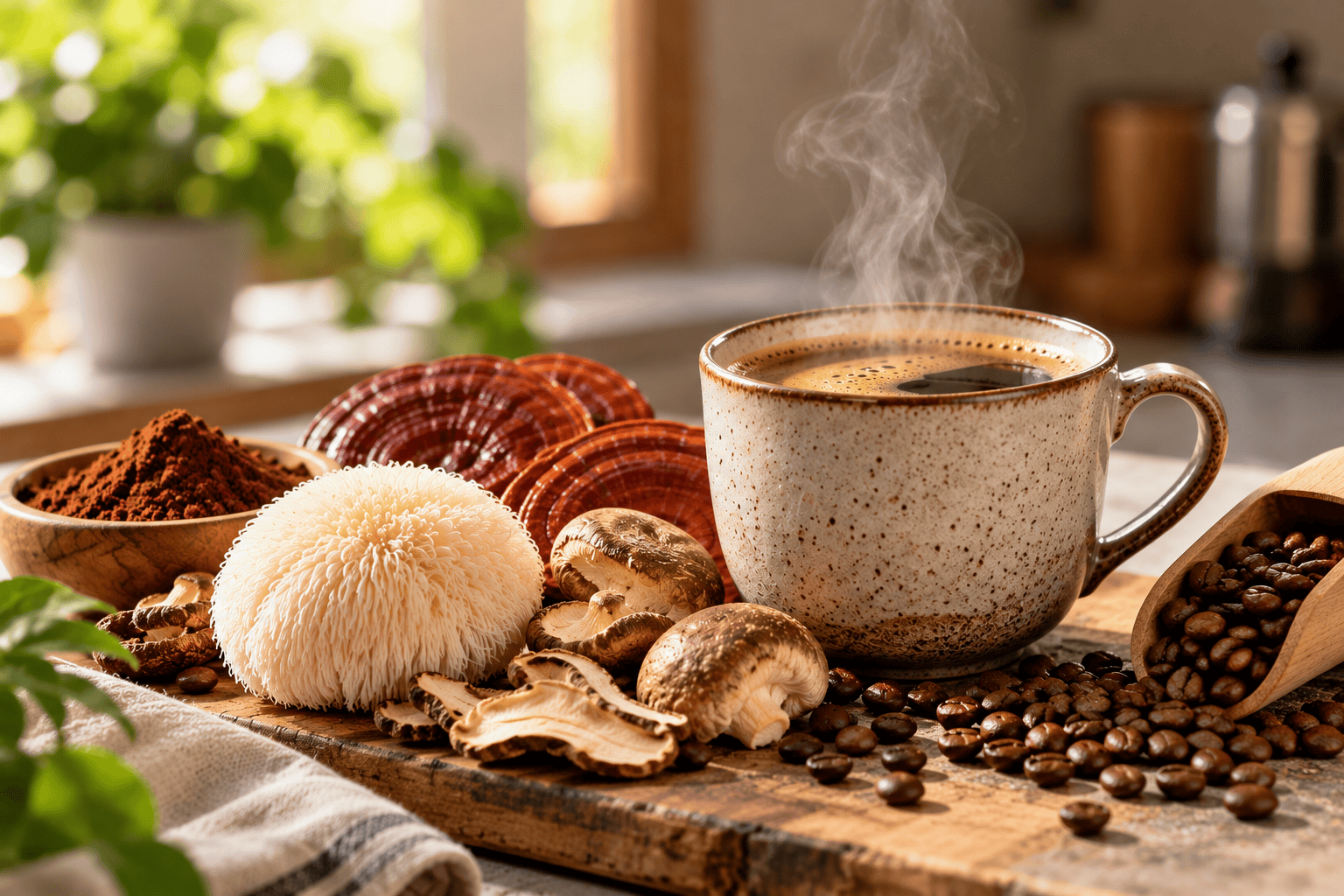
Mushroom coffee blends ground coffee with functional mushroom extracts. Most versions are still coffee-based, so they contain coffee acids and caffeine. Coffee-free mushroom drinks also exist, and they use cacao, herbs, or roasted grains instead.
When comparing low-acid coffee alternatives and other options for acid reflux, a clear pattern emerges: anything with coffee retains natural acids, and anything with caffeine keeps a known reflux trigger. Acid reflux happens when stomach contents flow back into the esophagus, potentially causing heartburn. Frequent episodes may lead doctors to diagnose gastroesophageal reflux disease (GERD). Transitioning to low acid coffee alternatives is an excellent way to prioritize your digestive health.
Caffeine matters because it can relax the lower esophageal sphincter (LES) and boost gastric acid secretion. When excess stomach acid flows upward past a relaxed valve, reflux symptoms flare. For anyone exploring coffee alternatives for GERD, caffeine sensitivity often matters far more than the pH of the drink itself.
Low acid coffee alternatives can vary from brand to brand, so it’s wise to sample a few to discover your favorite.
| Factor | Marketed low-acid coffee | Dark roast | Cold brew | Decaf | Mushroom coffee | Chicory | Herbal drinks |
|---|---|---|---|---|---|---|---|
| Contains coffee | Yes | Yes | Yes | Yes | Usually yes | No | No |
| Caffeine | Yes | Yes | Yes, often strong | Very little | Yes, varies by blend | None | None (most) |
| Acidity claim | Brand-made “low acid” | Lower chlorogenic acid | Slightly lower total acid | Same as coffee | Similar to coffee | Coffee-free | Coffee-free |
| Taste | Smooth, mild | Bold, roasty | Smooth, mellow | Familiar coffee | Coffee with earthy notes | Bitter, toasty | Wide range |
| Main limitation | Weak clinical evidence | Still has caffeine | Strength varies | Still coffee | Retains coffee acids | Can cause bloating | Very different taste |
Lower acidity in your cup has little to do with how much stomach acid your body produces or whether that acid travels upward. That gap explains why low acid coffee, cold brew coffee, and even decaf coffee can still trigger symptoms for some people.
pH measures how strong an acid is. Total acidity measures how much acid is present. Regular coffee sits at about pH 4.5 to 5.0, which is mild compared with orange juice or soda. So a small pH shift in coffee is a minor change, and no brewed coffee is truly acid-free coffee.
Coffee contains caffeine, oils, and many plant compounds. Caffeine can loosen the LES and boost stomach acid, no matter how mild the brew tastes. Other coffee compounds may irritate a sensitive stomach lining, especially when you drink coffee before eating. Plant-based substitutes are not acid-free either, as lab work found that all tested coffee substitutes exhibited acidity.
People respond to coffee in very different ways. Some drink it daily with no trouble, while others feel heartburn after one cup. Your tolerance can shift with meal timing, portion size, stress, sleep, and what you add to the cup. Milk or creamer, for example, causes symptoms for some people who blame the coffee.
Many people ask: is mushroom coffee acidic? The short answer is yes. When looking closely at mushroom coffee acidity, most blends measure around 4.8 to 5.1, which is very close to standard brews.

Roast level and brewing method shape acidity far more than the added mushrooms do. As you consider the best low acid coffee alternatives, think about how different brewing methods can affect acidity.
A coffee-based blend combines ground coffee with dried, powdered mushrooms, so you keep the familiar taste and aroma of coffee. It also keeps the coffee acids and caffeine. If you want to avoid coffee completely, consider coffee-free choices:
Functional mushrooms add flavor notes and the compounds people seek for focus, energy, or wellness routines. They do not neutralize coffee’s acidity or remove its caffeine. They also are not established treatments for acid reflux or GERD. If you want to learn more about the category, a guide to choosing a mushroom coffee blend can help you compare ingredients and roast styles.
Finding low acid coffee for sensitive stomachs starts by matching the drink to the trigger you suspect. A structured test beats guessing between marketing labels.
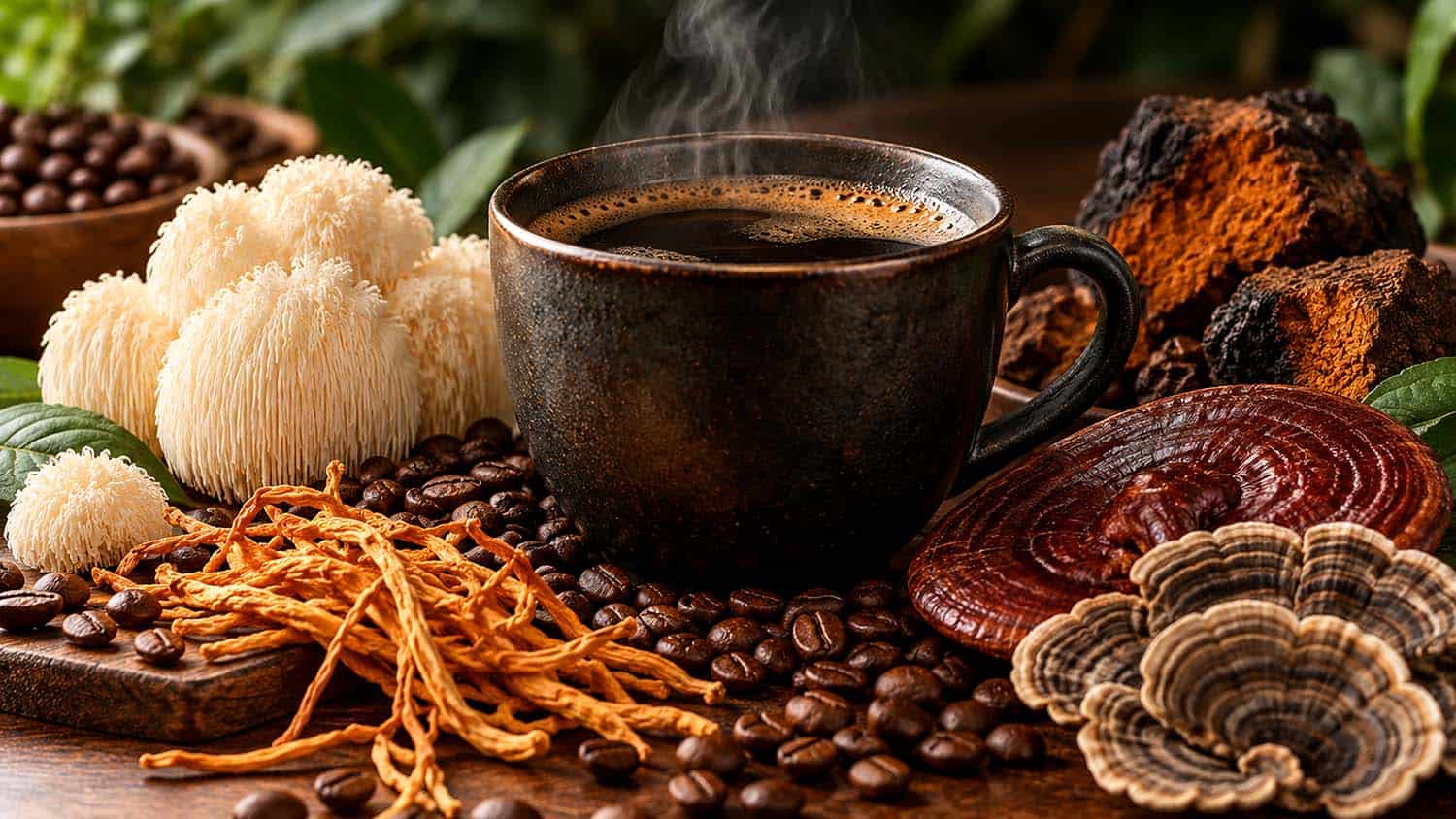
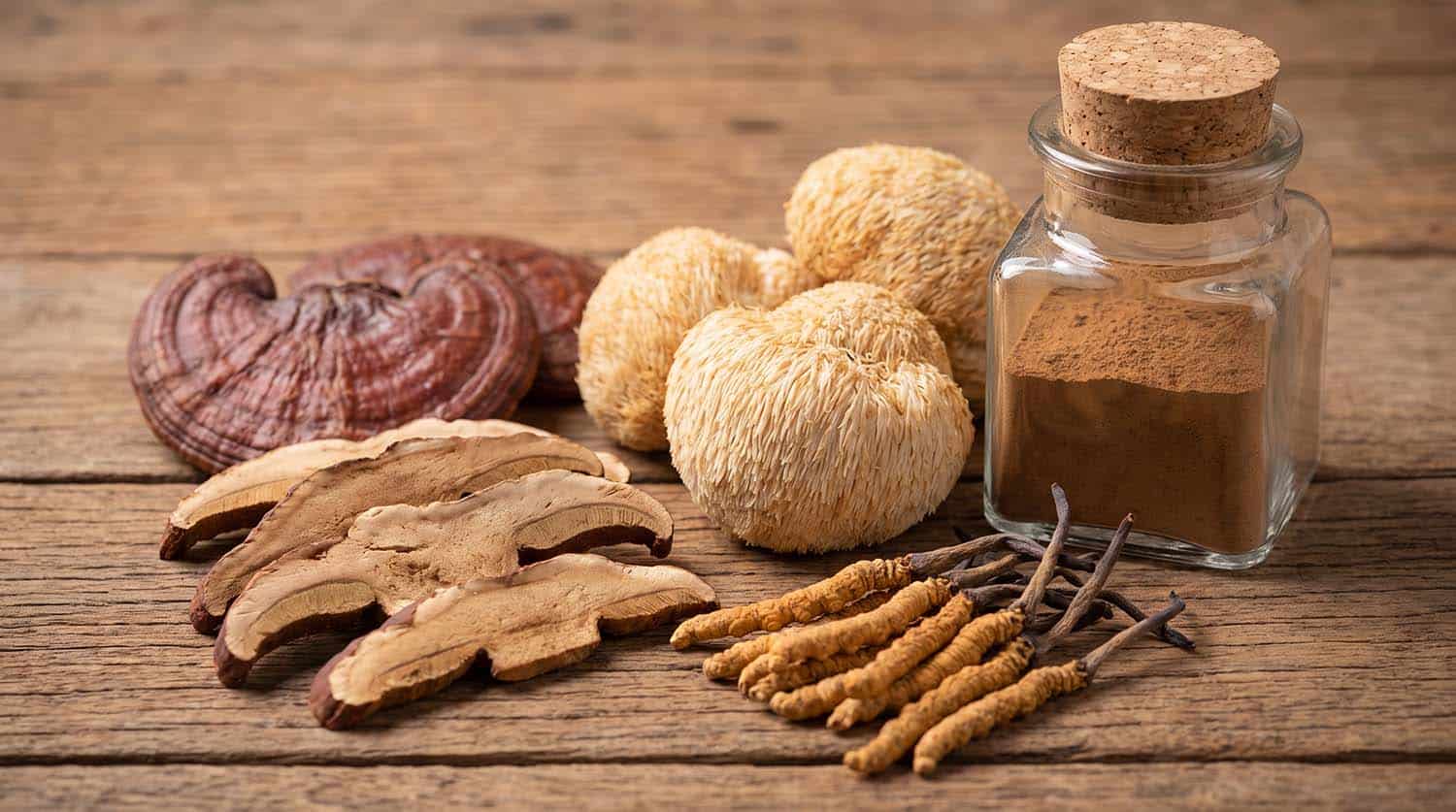
Start by asking two questions: does this drink contain coffee, and how much caffeine does it have? Mushroom coffee, for example, varies widely by brand. Check the label for the coffee type, such as organic Colombian coffee, and for the mushrooms used, such as Lion’s Mane, Cordyceps, Reishi, Chaga, or Turkey Tail. Reading up on mushroom coffee caffeine content helps you set realistic expectations before you switch.
Be careful with drinks that seem gentle but are not universally reflux-friendly:
Change one variable at a time for about a week. You might switch roast level first, then serving size, then caffeine.
Eating before drinking coffee helps buffer stomach acid and eases digestion. Keep a simple log of what you drank, when, and how you felt. If you mainly want steadier energy, ideas for coffee without jitters can guide your caffeine choices.
Heartburn more than twice a week deserves a doctor’s visit. The National Institute of Diabetes and Digestive and Kidney Diseases (NIDDK) notes that frequent reflux may point to gastroesophageal reflux disease. Seek care right away for trouble swallowing, vomiting blood, black stools, chest pain, or unexplained weight loss. Persistent symptoms that keep returning despite changes call for a medical diagnosis instead of more drink swaps.
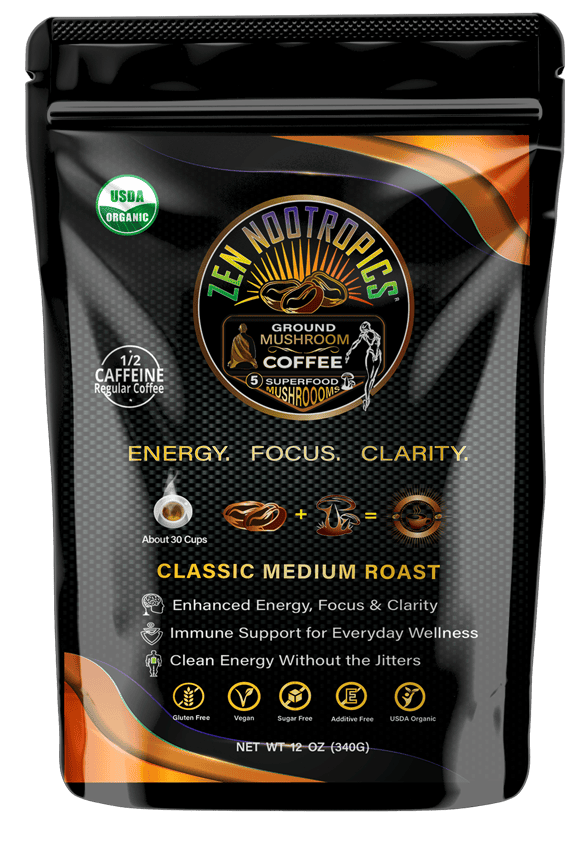
If you enjoy coffee and want a blend built around functional mushrooms, Zen Nootropics offers one option to consider. It keeps the flavor and ritual of a classic cup. Like any coffee-based blend, it still contains coffee and caffeine. Opting for low acid coffee alternatives can empower you to enjoy coffee again, minus the side effects
Zen Nootropics Mushroom Coffee pairs USDA organic, single-source Colombian coffee with Lion’s Mane, Cordyceps, Reishi, Chaga, and Turkey Tail. The tasting notes lean toward dark chocolate and cinnamon. It comes pre-ground for drip machines, pour-overs, and French presses, and you can cold brew it as well.
This blend suits people who want to keep drinking coffee while adding functional mushrooms to their routine. It may not fit if you need to avoid caffeine or coffee completely. In that case, caffeine-free choices like rooibos or golden milk are better matches than green tea, matcha, yerba mate, or peppermint tea, which can bring caffeine or LES concerns. Coffee-free drinks like coconut water also work for hydration, though they offer no coffee flavor. Low acid coffee alternatives provide a wonderful way to savor your favorite beverage without the drawbacks of traditional coffee.
Curious whether it fits your routine? Explore Zen Nootropics mushroom coffee, made with organic Colombian coffee and five functional mushrooms: Lion’s Mane, Cordyceps, Reishi, Chaga, and Turkey Tail. Review the ingredients and caffeine information first, then decide whether this blend matches your taste, energy goals, and personal preferences.

Gentler mornings start with knowing which factor bothers you. If taste and brightness are the issue, a darker roast or cold brew may help. If caffeine seems to be the trigger, decaf, chicory, or herbal drinks are stronger options.
Exploring low-acid coffee alternatives gives you room to experiment safely. Remember that coffee-based blends, including mushroom coffee, keep coffee acids and caffeine. Test one change at a time for a week, keep notes, and see a doctor if heartburn shows up more than twice a week. Finding the right low acid coffee alternatives can be an enjoyable journey in improving your morning routine.
Caffeine-free herbal drinks like rooibos or chamomile tea, along with chicory root coffee, are popular low-acid coffee alternatives because they contain no coffee beans. If you want to keep coffee, dark roast or cold brew may taste smoother. Low-acid coffee is another option, though evidence that it reduces symptoms is limited.
No coffee is proven safe for everyone with GERD. Some people tolerate decaf, smaller servings, or coffee with food better than a large cup on an empty stomach. Talk with your doctor about whether coffee fits your treatment plan.
Yes, decaf coffee can still cause heartburn in some people. It keeps coffee’s natural acids and can still trigger the release of stomach acid. Even so, many people find it easier to tolerate than regular coffee.
Most mushroom coffee has acidity similar to regular coffee because it uses coffee as its base. The mushrooms add flavor and other compounds but do not neutralize the coffee’s acids. Roast and brewing method affect acidity more. Low acid coffee alternatives are becoming increasingly popular among those who are sensitive to acidity. These alternatives provide a smoother experience without the harshness that regular coffee might bring.
Any caffeine source may contribute to acid reflux, because caffeine can relax the LES. Smaller servings, drinking caffeine with food, and avoiding late-day caffeine may help some people. Track your response, and ask a doctor if symptoms keep returning.