Does Mushroom Coffee Break a Fast? Rules by Fast Type
A morning coffee ritual fits more easily into fasting when the drink matches the plan...
Read Article →
Organic mushroom coffee contains organically produced ingredients, but a USDA organic claim for the finished drink requires certification covering the complete blend. For shoppers seeking balanced energy and mental clarity, that distinction helps connect a promising morning ritual with verifiable product quality. Zen Nootropics combines organic Colombian coffee with five functional mushrooms. Its blend illustrates […]
Organic mushroom coffee contains organically produced ingredients, but a USDA organic claim for the finished drink requires certification covering the complete blend. For shoppers seeking balanced energy and mental clarity, that distinction helps connect a promising morning ritual with verifiable product quality.
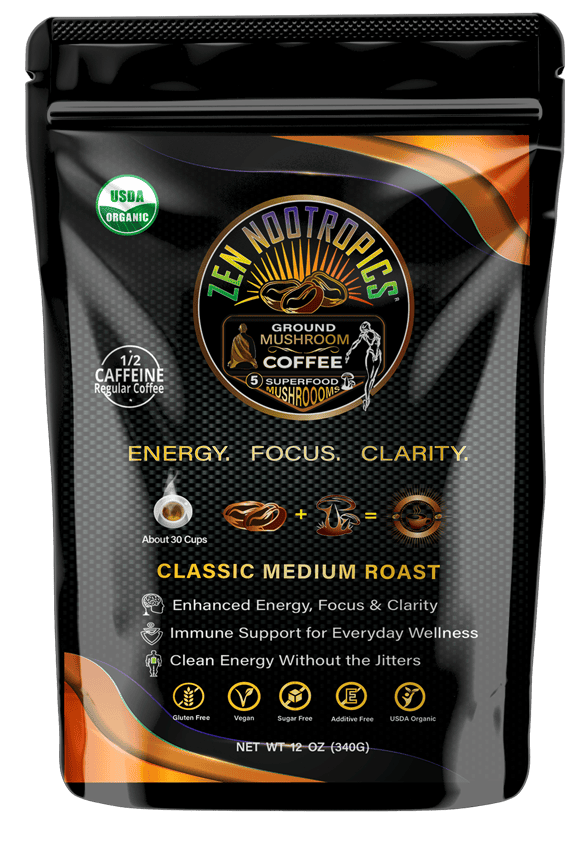
Zen Nootropics combines organic Colombian coffee with five functional mushrooms. Its blend illustrates why coffee sourcing and mushroom ingredient disclosures deserve separate attention: an organic coffee claim answers a different question from a laboratory report or a stated extract amount.
A useful purchase decision starts with the package. Clear ingredient names, certification details, and batch-specific documentation give shoppers concrete information to evaluate before committing to a daily cup.
Use the mushroom coffee ingredients and brewing guide for the basics, then look at which ingredients the label describes as organic.
The organic label covers regulated production and handling practices within the scope of a product’s certification. Coffee ingredients and functional mushrooms each need appropriate documentation before a finished blend qualifies for an organic claim.
A package describing “organic coffee” identifies a characteristic of that ingredient. It does not, by itself, establish that the mushroom extracts or the finished product carry organic certification. The wording surrounding the claim deserves close attention.
USDA rules require products labeled “organic” to contain at least 95 percent organic ingredients, excluding salt and water. The “made with organic” category requires at least 70 percent organic ingredients and does not permit the USDA organic seal.
A phrase such as “USDA organic arabica coffee” also contains separate claims about certification and coffee type. Arabica identifies the coffee species; certification establishes compliance with organic standards. Neither statement describes the identity or potency of the added mushrooms.
Verification starts with the certifying agent named on the package and documentation identifying the certified operation. The certificate and accompanying product information should cover the blend being purchased, with matching business or manufacturer details.
The USDA maintains the Organic INTEGRITY Database with up-to-date information about certified organic operations. A brand name and its manufacturing operation sometimes differ, so the company should explain how its product connects to the listed operation.
A non-GMO statement addresses a narrower issue. Organic standards prohibit genetic engineering, while a standalone non-GMO claim supplies no confirmation that a product meets the remaining organic production and handling requirements.
Organic certification regulates agricultural inputs and production practices. The standards permit specified substances, and the certification does not guarantee zero pesticide residues in every package.
Heavy metals occur in the environment, while microbial contamination involves separate handling and food-safety controls. An organic certificate supplies no batch-specific measurement of those hazards.
Shoppers evaluating purity claims should look for relevant laboratory results alongside certification. Each document answers a separate question: how the product was produced, or what the tested sample contained.
Mushroom labels should identify the species, source material, preparation, and amount supplied per serving. Those disclosures make ingredient comparisons possible and establish the limits of any health-related interpretation.
Each mushroom should have an individual name in the ingredient information. Common examples include lion’s mane, chaga, cordyceps, reishi, turkey tail, shiitake, and maitake. Scientific names add precision when common names cover different species.
Lion’s mane mushroom is marketed for cognitive support, while chaga mushroom appears in products promoted for antioxidants and immune support. Those associations describe the ingredient’s positioning; the finished drink still needs its own evidence for specific outcomes.
“Medicinal mushrooms” is a broad commercial and traditional-use term. A longer species list supplies little information about the quantity of each ingredient, so shoppers should pair species identification with serving-level amounts.
Fruiting bodies are the reproductive structures of fungi; mycelium is the network of fungal filaments involved in growth. Both contain biologically relevant compounds, with composition influenced by species and cultivation conditions.
Mycelium grown on grain requires an additional question: how much growth substrate remains in the ingredient? Residual grain contributes starch and changes the composition of the final powder. Documentation should distinguish fungal material from its growing medium.
A fruiting-body claim identifies source material but supplies no measurement of extract strength. The more informative comparison combines the mushroom part with processing details and laboratory results for relevant compounds.
Mushroom extracts undergo processing intended to recover selected constituents from the starting material. Hot-water extraction is used for water-soluble compounds, including beta-glucans; alcohol extraction targets certain less water-soluble constituents, including some triterpenes.
Dual extraction uses both approaches, but its suitability depends on the species and intended compounds. A processing label alone does not establish that an extract is superior or appropriate for every formulation.
Useful disclosures include the amount of extract per serving and any stated standardization target. An extract ratio describes a relationship between starting material and extract; it does not establish a measured beta-glucan concentration or a clinically effective serving.
Research on a particular mushroom preparation applies most directly to that preparation and its tested amount. Differences in extraction, serving size, and duration of use limit comparisons with a commercial coffee blend.
Laboratory findings involving antioxidants or immune activity establish biological observations under controlled conditions. They do not establish that drinking a particular coffee produces the same result in people.
Claims about cognitive support or immune support deserve evaluation against human evidence for the relevant ingredient. A finished-drink claim requires evidence that accounts for the complete formula and its preparation instructions.
Third-party testing verifies the specific properties measured in the submitted sample. Its value comes from the test panel, laboratory methods, and connection to the purchased batch.
A useful contaminant report identifies the substances or organisms tested and presents the results with units and acceptance limits. Heavy-metal panels should specify individual elements, such as lead, cadmium, arsenic, and mercury.
Microbial testing addresses a separate set of concerns, including relevant pathogens and yeast or mold counts. Pesticide panels should reflect the ingredients and their agricultural supply chains.
A “third-party tested” badge leaves these details unresolved on its own. Shoppers should establish whether testing covers raw mushroom extracts, the coffee ingredient, or the finished blend. Organic certification remains a separate production standard.
Beta-glucans are a specific group of polysaccharides. A total-polysaccharide result includes a broader carbohydrate category, so the two figures are not interchangeable.
Starch from grain or other ingredients complicates broad polysaccharide claims. A report measuring beta-glucans with a suitable method gives a more targeted description of that component.
The report should also identify the tested material. A percentage measured in a concentrated mushroom extract does not describe the same concentration in a coffee blend containing that extract, and neither figure automatically establishes the amount in the brewed cup.
A certificate of analysis, or COA, becomes useful when its sample identifier connects to the product’s lot number. The document should show the laboratory name, testing date, methods, and results.
An older representative report provides background on a testing program. A batch-matched report supplies information tied to the inventory being purchased.
“Not detected” means the test found no measurable amount above its stated detection limit. Reports should provide enough detail to distinguish that result from absolute absence, including the applicable reporting limits and the material tested.
Misleading claims become easier to identify when shoppers separate measurable product facts from promised experiences. Labels and documentation support stronger comparisons than superlatives such as “best organic mushroom coffee.”
A species name, an extract amount, and a stated coffee origin are checkable product facts. Promises of guaranteed focus or complete freedom from crashes describe outcomes that vary with the formulation and the person consuming it.
Terms such as “adaptogens,” “premium,” and “superfood” need supporting detail. They provide no standardized measurement of finished-drink effectiveness. Claims that a coffee treats or prevents disease warrant particular caution.
The phrase “best mushroom coffee” also needs a defined basis. For mushroom coffee brands, a credible comparison explains whether it evaluates certification scope, disclosed ingredients, flavor, convenience, or another specific characteristic.
Caffeine content requires its own disclosure. Adding mushrooms does not establish a particular reduction in caffeine, and ground-coffee preparation changes the amount delivered through differences in dose and brewing.
The relevant figure is caffeine per prepared serving, tied to clear preparation instructions. A coffee alternative also deserves an ingredient check because some formulas include tea or other caffeine-containing ingredients.
Added l-theanine or ashwagandha introduces separate ingredients with their own amounts and safety considerations. Protein, sweeteners, and creamers affect nutrition and allergens. People taking medication, or those who are pregnant or breastfeeding, should discuss functional mushroom blends and added botanicals with a qualified clinician.
Ground coffee requires brewing, while instant coffee dissolves in water. Instant mushroom coffee combines convenience with a specified scoop or packet size; a ground blend ties serving calculations to the quantity used in the brewer.
Price per serving equals the purchase price divided by the number of labeled servings. A meaningful comparison uses the same purchasing basis, including whether the price reflects a subscription or a one-time order.
Shipping charges and added creamers affect the final cost. Extract amounts also deserve attention because two equally priced servings need not contain comparable quantities of mushroom ingredients.
A purchase checklist should turn broad quality claims into specific questions. Each answer should connect to the current package, relevant certification, or an identifiable laboratory document.
Unanswered questions deserve a direct inquiry to the brand. Missing detail on a package establishes a need for clarification; it does not establish that the ingredient is poor quality.
Zen Nootropics provides specific coffee-origin and mushroom-species information that shoppers can use as a starting point. Certification scope and laboratory documentation should be checked separately for the current product.
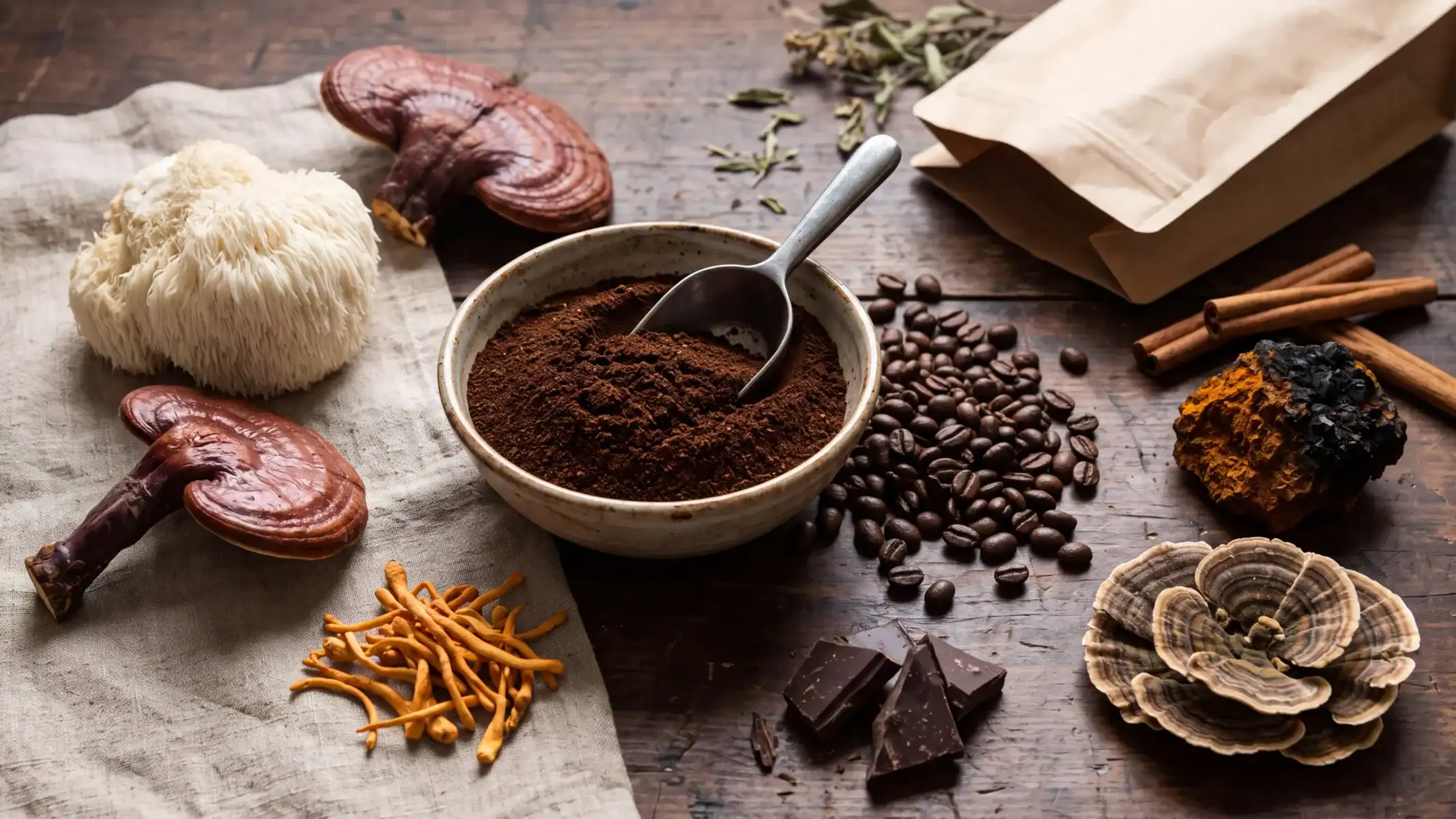
Zen Nootropics describes its coffee ingredient as USDA organic Colombian coffee made with single-source Colombian beans. Its product information also mentions fair-trade coffee beans and tasting notes of dark chocolate and cinnamon.
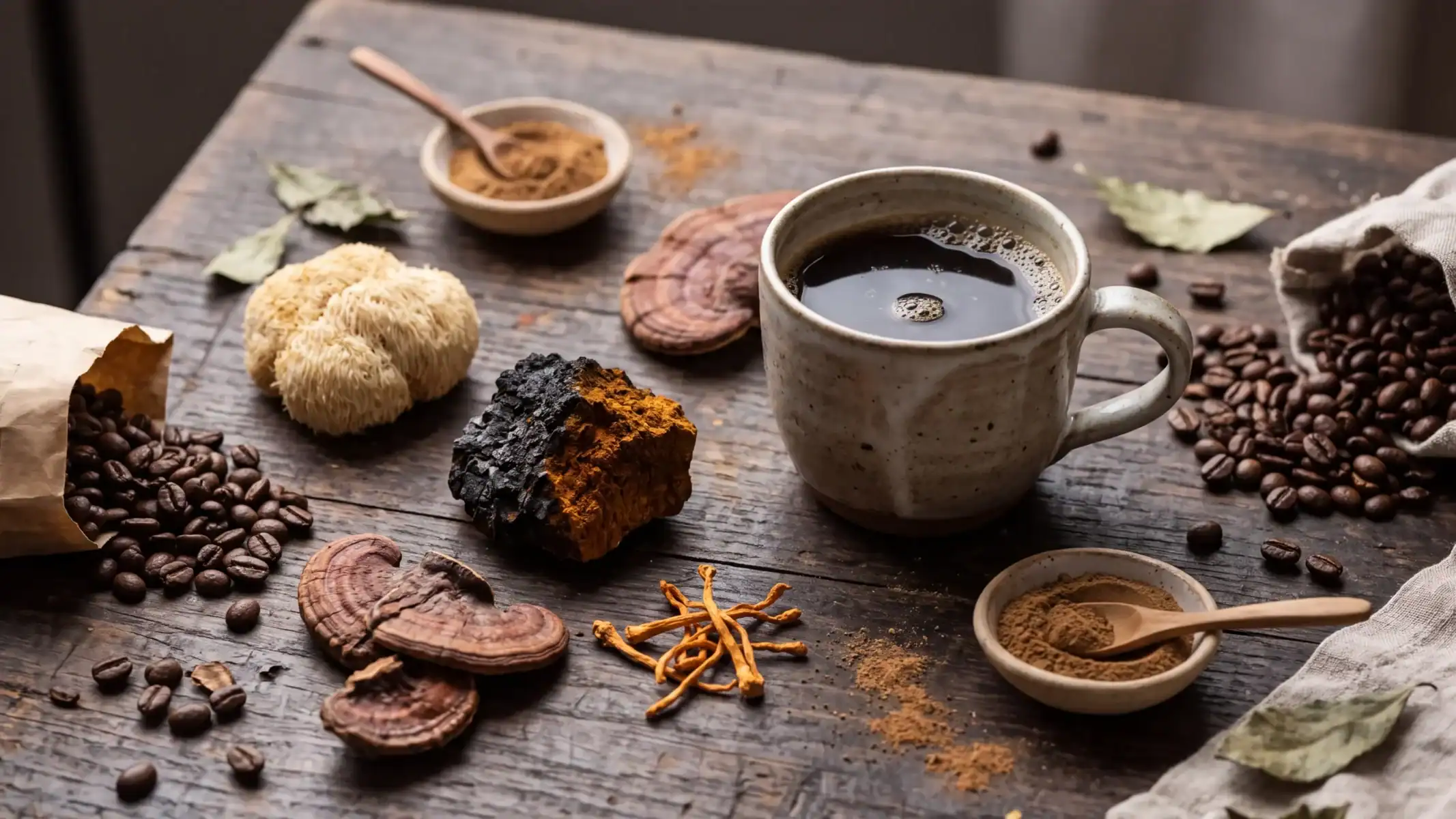
The mushroom coffee contains five functional mushrooms: lion’s mane, cordyceps, reishi, chaga, and turkey tail. The brand positions the blend for balanced energy and focus, alongside other wellness-support goals.
Zen Nootropics uses pre-ground coffee. These disclosures establish the named ingredients and intended brewing format; the remaining checks concern certification coverage and measurements.
Shoppers should ask whether the finished blend carries organic certification and which documentation covers the mushroom ingredients. The description of USDA organic coffee should be read within its stated ingredient scope.
For a more complete assessment, relevant questions include:
These questions distinguish documented attributes from additional details requiring confirmation. They also give customer support a precise request to answer without implying any particular certification or testing status.
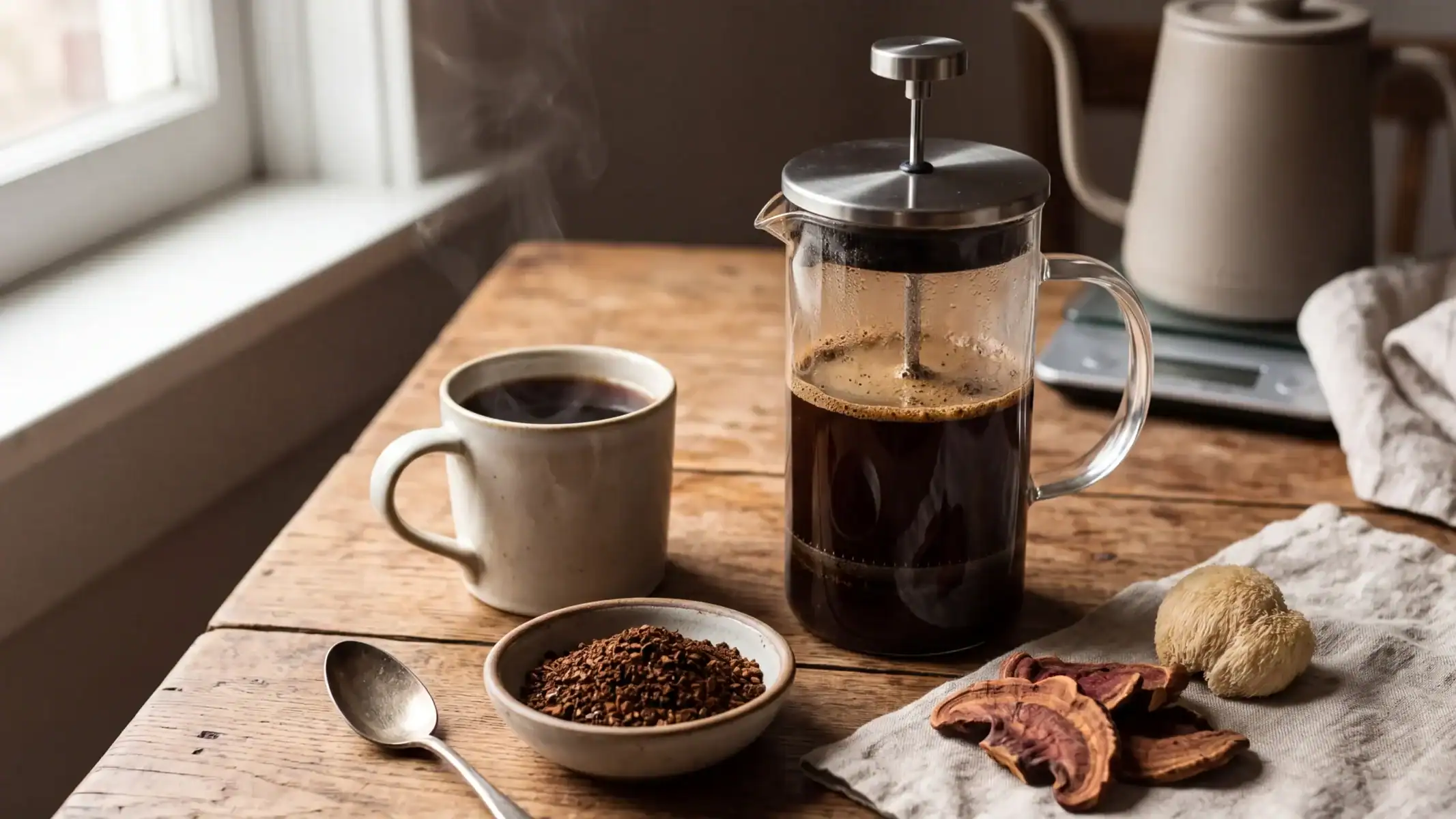
Zen Nootropics states that its grind works with most coffee machines, pour overs, French presses, and some espresso machines. That format suits coffee drinkers who want to retain a brewed-coffee routine.
Espresso users should confirm compatibility with their machine because grind requirements differ. Pre-ground coffee also fixes the grind size, leaving brew ratio and preparation technique as the main adjustments available at home.
A consistent measured coffee dose makes serving comparisons more useful. Following the product’s preparation directions also helps keep price-per-serving calculations aligned with the amount consumed.
A well-supported organic mushroom coffee purchase combines ingredient transparency with clearly scoped organic certification and relevant testing documents. Each piece establishes a different part of the product’s quality profile.
Shoppers considering Zen Nootropics should match its disclosed Colombian coffee and five-mushroom blend to their preferred brewing method, then request the certification and batch details relevant to their priorities. Keeping the label and lot number available makes those questions easier for customer support to answer precisely.
No. Some blends use organic coffee or mushroom ingredients without having certification for the finished product. Check the exact certification claim and the certifier shown on the package.
No. Organic certification addresses production and handling standards; it does not replace batch-specific contaminant testing. Ask brands for relevant independent test results when this is a purchasing priority.
Look for the mushroom species, ingredient form, quantities per serving, coffee content, caffeine information when available, and verifiable certification and testing details. A long list of mushrooms alone does not prove a product is more effective.
For a closer look at ingredient terminology, see our functional mushroom coffee label guide. For official labeling rules, consult the USDA organic labeling guidance.