What Does Mushroom Coffee Taste Like? Flavor Guide
You can expect mushroom coffee made with real coffee to taste like roasted coffee wit...
Read Article →

You can expect mushroom coffee made with real coffee to taste like roasted coffee with a mild earthy flavor and, in some blends, nutty undertones. So, what does mushroom coffee taste like? This question often arises for those curious about this unique beverage. The coffee base supplies much of the familiar flavor. How clearly you […]
You can expect mushroom coffee made with real coffee to taste like roasted coffee with a mild earthy flavor and, in some blends, nutty undertones. So, what does mushroom coffee taste like? This question often arises for those curious about this unique beverage. The coffee base supplies much of the familiar flavor. How clearly you notice the mushrooms comes down to the recipe and how you prepare your cup.
If you want a familiar morning drink, start with a blend that uses the kind of coffee you already enjoy. Ground coffee with mushroom extracts, instant mixes, and coffee-free alternatives give you different experiences, even when their labels use similar language. What does mushroom coffee taste like? It’s a question that sparks curiosity among health-conscious drinkers.
With a coffee-based blend, you’ll usually notice roasted coffee before the mushroom ingredients. You might also pick up woody notes or a dry finish, especially when you drink it black.
Your first sip highlights the coffee base: toasted grains, dark cocoa, caramel sweetness, or vibrant fruit notes. Nutty undertones frequently appear alongside these roasted elements, depending on the bean origin.
Coffee genetics and roast depth determine the bulk of these baseline flavors. According to consumer sensory research published by the Specialty Coffee Association, roast level significantly drives consumer flavor preference, bitterness perception, and overall sensory profile.
Lighter roasts preserve floral acidity and bright notes, which can let subtle herbal nuances peek through. Darker roasts create deep, caramelized, and bittersweet flavors that easily envelop any earthy accents.
It helps to treat tasting notes as descriptive impressions rather than literal recipes. A bag highlighting chocolate or roasted nuts does not contain candy or tree nuts. Always review the ingredient panel directly if you have food allergies or sensitivities.
You might recognize an earthy flavor as woody or tea-like, with a faint savory quality. Its strength ranges from barely noticeable to prominent in mushroom-heavy recipes. Drinking your first few sips black helps you identify that background note.
Your impression of sweetness also needs some context. A rounded, chocolate-like flavor can suggest sweetness without added sugar. As your cup cools, pay attention to the finish: lingering bitterness or a drying sensation tells you something different from sweetness.
You’ll usually notice a background earthiness without the strong savory character you associate with cooked mushrooms. The form of the mushroom ingredient and the amount of coffee both influence that impression. Many people ask, what does mushroom coffee taste like? The answer lies in its unique flavor profile.
Ground coffee blended with functional mushroom extracts delivers the closest experience to traditional drip or pour-over coffee. The aroma of freshly ground Arabica beans fills the room long before water hits the filter.
Because the extracts dissolve cleanly into the brewed liquid, the texture remains identical to regular coffee. You enjoy the body, oils, and crema of fresh grounds with only a whisper of loamy depth.
For example, high-quality mushroom coffee blends utilize 100% ground Arabica beans to anchor the sensory experience. The coffee character leads every sip, keeping the mushroom extracts balanced and palatable.
Proportions make a big difference in this format. A recipe built with a high ratio of ground coffee to extract tastes like standard coffee, while heavier extract doses yield stronger earthy notes.
Instant mushroom mixes present a noticeably different flavor experience. Because they rely on dehydrated instant coffee crystals, they share the lighter body and flatter aroma common to conventional instant coffee.
Drinkers who switch from freshly ground beans to an instant mushroom mix often notice that textural difference immediately. The change in aroma comes from the instant drying process rather than the functional mushrooms.
Coffee-free mushroom alternatives diverge even further into herbal territory. These drinks use bases such as roasted chicory root, dandelion root, carob, or cocoa to mimic the color and bitterness of coffee.
In their independent comparative tasting review, Serious Eats noted that coffee-based mushroom blends taste remarkably similar to standard coffee, whereas coffee-free alternatives taste distinctly like roasted herbal teas or spiced tonics.
Your mushroom coffee flavor is shaped by the coffee base, the mushroom ingredients, and any added flavorings. Comparing those details gives you a clearer picture than choosing by mushroom names alone.
Choose a roast profile that fits what you already like. Darker roasts bring stronger roasted flavors and more roast bitterness, while lighter roasts preserve brighter coffee notes. A mushroom blend built on each will have a different starting point.
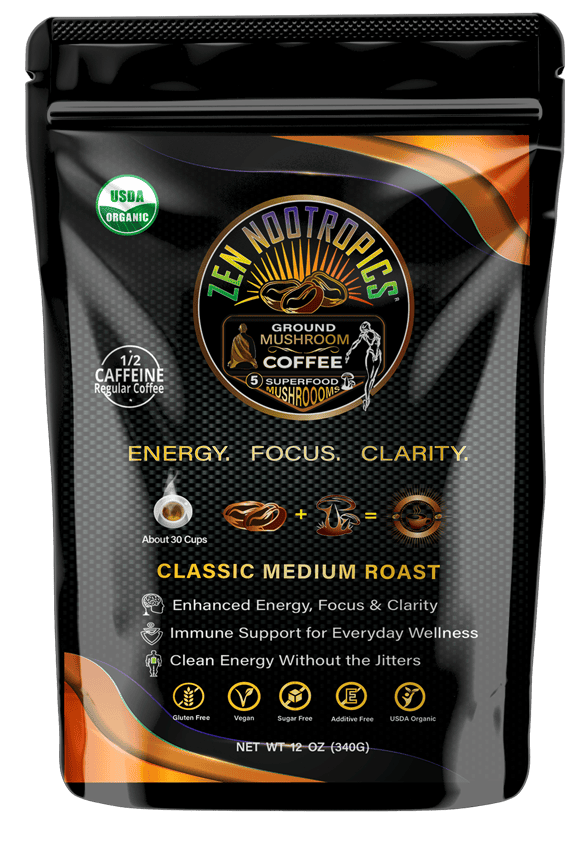
For a concrete example, you’ll find Zen Nootropics described as using USDA organic Colombian coffee and single-source Colombian beans. Its product description lists tasting notes of dark chocolate and cinnamon and describes the coffee as bold, complex, and smooth. Those are the brand’s tasting notes; your brewing method and additions will shape your own impression.
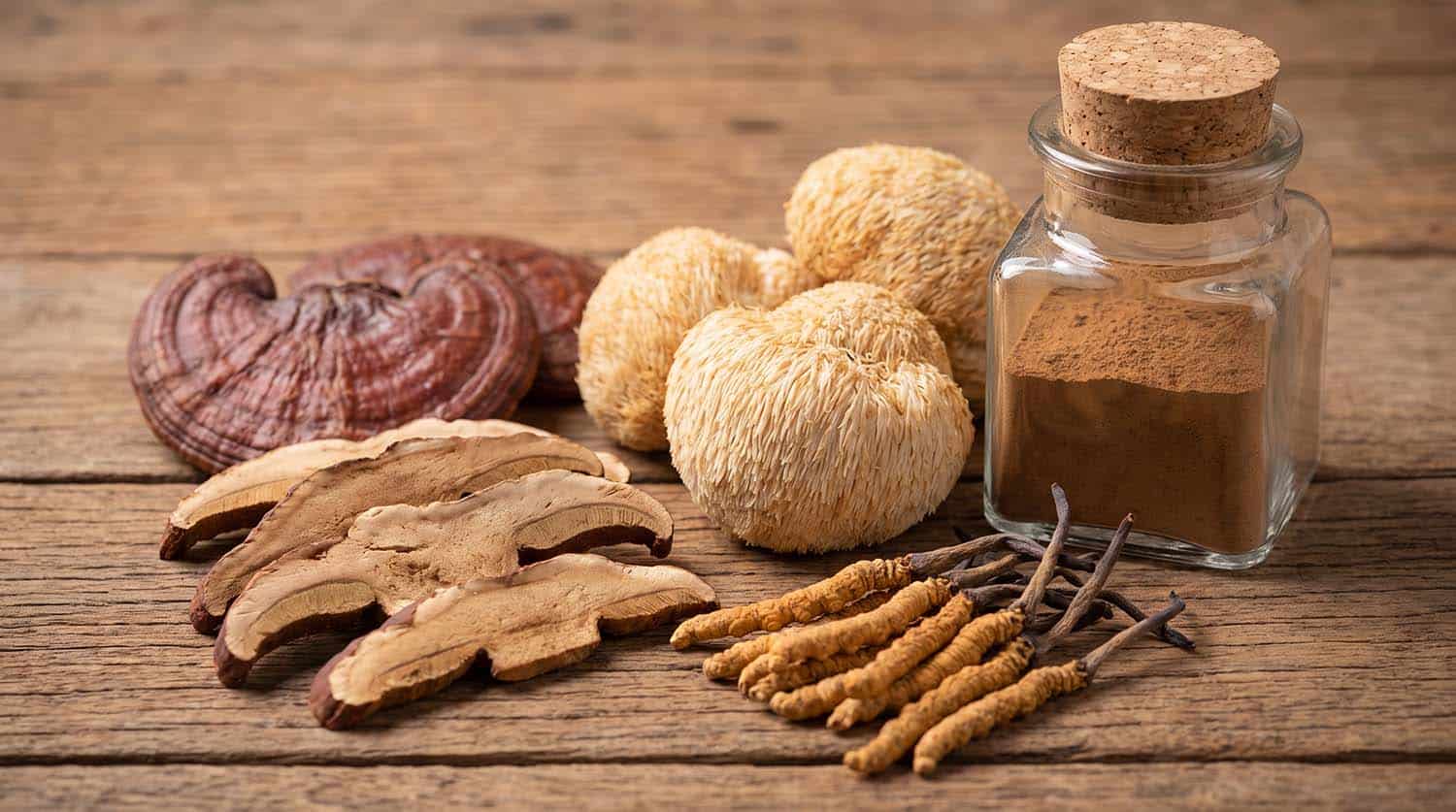
You’ll see functional mushrooms, also called medicinal mushrooms, used in different combinations. Their individual flavors offer clues, but the finished blend’s recipe determines what reaches your palate.
When you compare ingredient lists, use these broad flavor descriptions as a starting point:
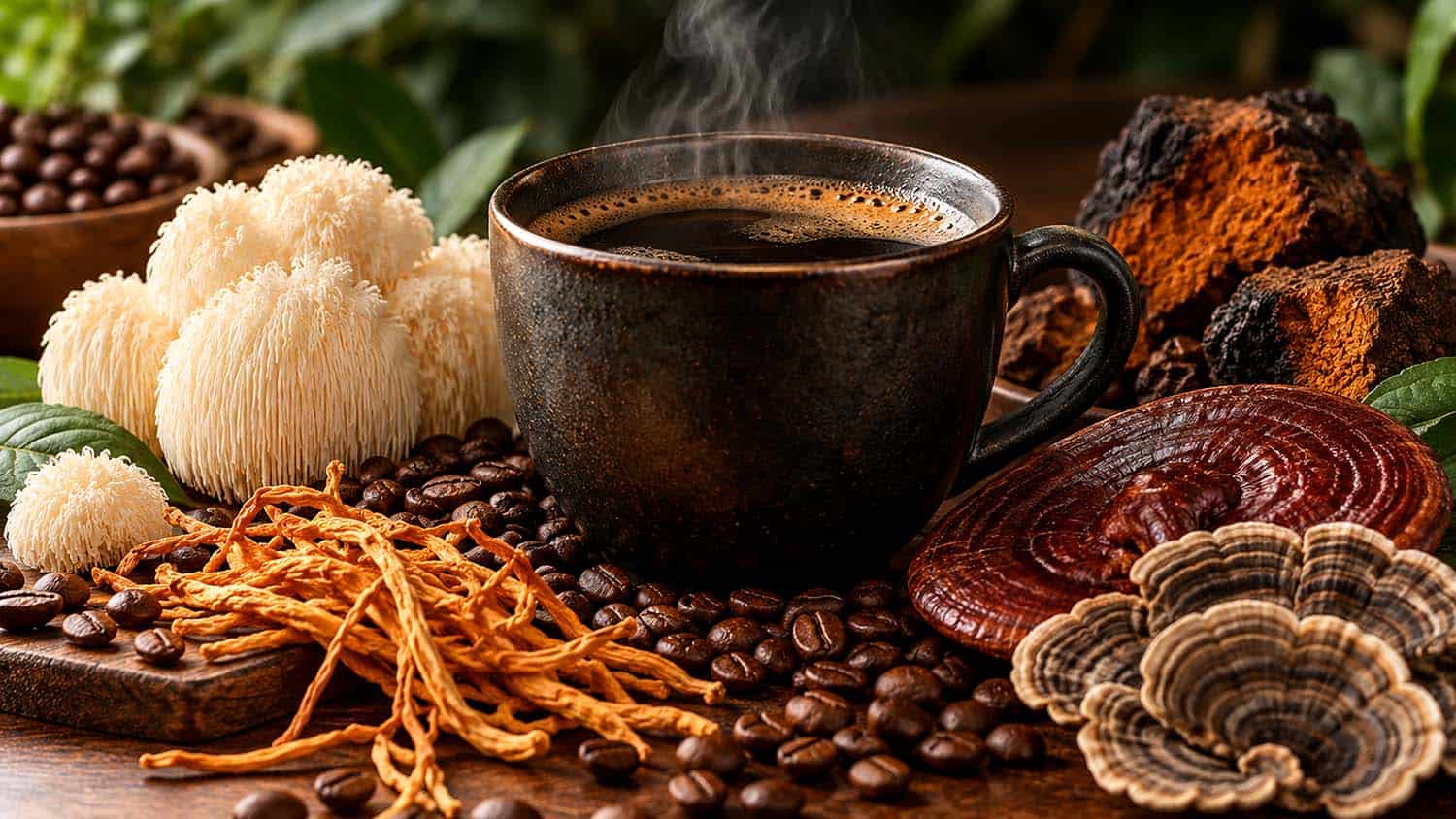
You won’t reliably predict the finished cup from one species name. Extract type and proportions also affect flavor. In Zen Nootropics, you get five functional mushrooms: Lion’s Mane, Cordyceps, Reishi, Chaga, and Turkey Tail.
Your strongest flavor impression might come from an added ingredient. Cocoa brings chocolate flavor and its own bitterness, while cinnamon adds a warm spice note. Coconut milk powder or other creamers change the body.
Check for sweeteners if you’re sensitive to lingering aftertastes. Stevia and monk fruit have distinct flavor profiles that some drinkers notice immediately. A shorter ingredient list makes it easier for you to identify which part of a blend you enjoy.
You’ll get the fairest comparison by matching the coffee format and preparation method. Comparing a ground mushroom blend with ground regular coffee helps you separate the effect of the added ingredients from differences caused by instant processing.
Use the comparison below to set expectations for your cup. The mushroom coffee column describes coffee-containing blends, with coffee-free products noted separately.
| What you compare | Regular coffee | Mushroom coffee |
|---|---|---|
| Taste | Bean and roast flavors | Coffee plus earthy notes |
| Aroma | Brewed coffee aroma | Coffee aroma; blend-specific additions |
| Body | Brew-method dependent | Brew- and ingredient-dependent |
| Bitterness | Roast and extraction | Roast, extraction, mushroom ingredients |
| Preparation | Brew grounds or dissolve instant | Follow the ground or instant format |
| Coffee-free versions | Outside this category | Available as coffee alternatives |
Your mushroom blend isn’t automatically smoother, less bitter, or lower in acidity. A rounded taste also doesn’t establish a measured difference in acidity. If you prefer a gentle cup, judge the roast description and ingredients alongside your own taste preferences.
Your preparation should follow the product’s format. Ground coffee needs brewing and separation from the grounds; instant powder needs mixing with the amount of water directed on its label. Treating ground coffee as a stir-in drink leaves you with sediment.
For coffee-free products, reset your expectations toward a roasted herbal or cocoa-based drink. You won’t get the same coffee aroma when the recipe contains no coffee. Also check caffeine information separately, since ingredients such as cacao contribute caffeine even in a coffee-free recipe.
You’ll improve an unfamiliar cup most efficiently by getting the preparation right before adding flavorings. Change one thing at a time so you know which adjustment helped.
For ground mushroom coffee, start with the package directions and a brewing method suited to its grind. Keep your water amount consistent while you adjust brew time or coffee strength. If your grounds are pre-ground, focus on the controls your brewer gives you.
With Zen Nootropics, you get pre-ground coffee intended for most coffee machines, pour overs, French presses, and some espresso machines. Check your equipment’s requirements, especially for espresso, where grind size strongly affects flow.
For instant powder, use the labeled serving and water amount as your starting point. Stir thoroughly and break up clumps before adding milk. For an iced drink, dissolve the powder in warm water first if the package permits that preparation.
Add milk or an unsweetened milk alternative if you want a creamier cup with softer-tasting edges. Start with a small splash, then taste before adding more. A strongly flavored creamer will also change how much of the coffee you notice. Each variety offers a unique answer to what does mushroom coffee taste like, depending on the blend.
Try cinnamon if you enjoy warm spice, or a little cocoa if you prefer a mocha-style drink. Unsweetened cocoa adds bitterness of its own, so use it gradually. If you add a sweetener, begin with less than your usual amount and adjust after tasting.

Match your adjustment to the problem you taste. A weak cup needs a different fix from one that feels gritty, and adding more powder won’t solve every issue. Find out what does mushroom coffee taste like by sampling various brands available in stores.
If bitterness remains after a brewing adjustment, the recipe itself might be outside your preferences. Reishi-heavy blends, dark roasts, and some added ingredients each contribute bitter flavors. Choose a different profile if you find yourself masking most of the drink.
You’re a strong candidate for mushroom coffee if you enjoy roasted flavors and are open to a subtle earthy note. Your preferred coffee style helps narrow the choice between bold ground blends and creamy instant mixes.
Start with a ground coffee blend if your favorite part of the morning is the aroma and taste of brewed beans. Look for a clear origin and tasting notes that sound familiar to you. Chocolate-like notes and nutty undertones are useful signals if you enjoy those qualities in regular coffee.
Keep your usual brewing method for the first cup when it suits the product. That gives you fewer changes to assess at once. Taste it before adding your normal milk or sugar so you can decide how much adjustment you want.
Consider earthier mushroom coffee blends if you enjoy woody teas or roasted chicory drinks. A noticeable mushroom note might fit your preferences even when it stands out clearly. Check for added spices if you want a warmer flavor profile.
For a latte-style drink, look at whether the blend already includes a creamer or sweetener. That helps you avoid adding more richness or sweetness than you want. If you prefer controlling those additions yourself, choose a blend with a simpler ingredient list.
Choose mushroom coffee with a coffee base and flavor description that match what you already enjoy. Then use the ingredient list to judge how much earthiness, sweetness, or creaminess to expect.
If bold Colombian coffee with dark chocolate and cinnamon tasting notes sounds appealing, explore Zen Nootropics’ mushroom coffee. Start with the recommended preparation, taste it black, and add your usual milk or sweetener gradually.
If you enjoy the familiar taste of freshly brewed coffee, explore Zen Nootropics Mushroom Coffee. Our ground Colombian coffee blend brings together Lion’s Mane, Cordyceps, Reishi, Chaga, and Turkey Tail, with rich dark chocolate and cinnamon tasting notes. See the ingredients and brewing details to decide whether it fits your routine.
You can narrow down your first purchase by checking the coffee format and added ingredients. These details help explain the most common differences in mushroom coffee taste.
You might taste bitterness from the coffee roast, mushroom ingredients, or both. If you dislike bitter drinks, pay attention to reishi-heavy recipes and begin with the package’s brewing directions.
You won’t notice a strong earthy flavor in every mushroom coffee blend. Coffee-forward recipes and flavored mixes sometimes keep that note subtle, while mushroom-heavy products give it more presence.
You can add dairy milk or a plant-based alternative to mushroom coffee. Start with a small splash so you can adjust the creaminess without weakening the coffee flavor too much.
You’ll find the closest resemblance in blends made with ground coffee and mushroom extracts. Instant mixes and coffee-free alternatives give you different starting flavors, so check the product format before buying.
You might perceive a mild sweetness, but you shouldn’t expect a sweetened drink unless the recipe includes a sweetener. Check the ingredient list and Nutrition Facts label if you want to know whether your blend contains added sugar.