Mushroom Coffee for Beginners: Choose and Brew Your First Cup
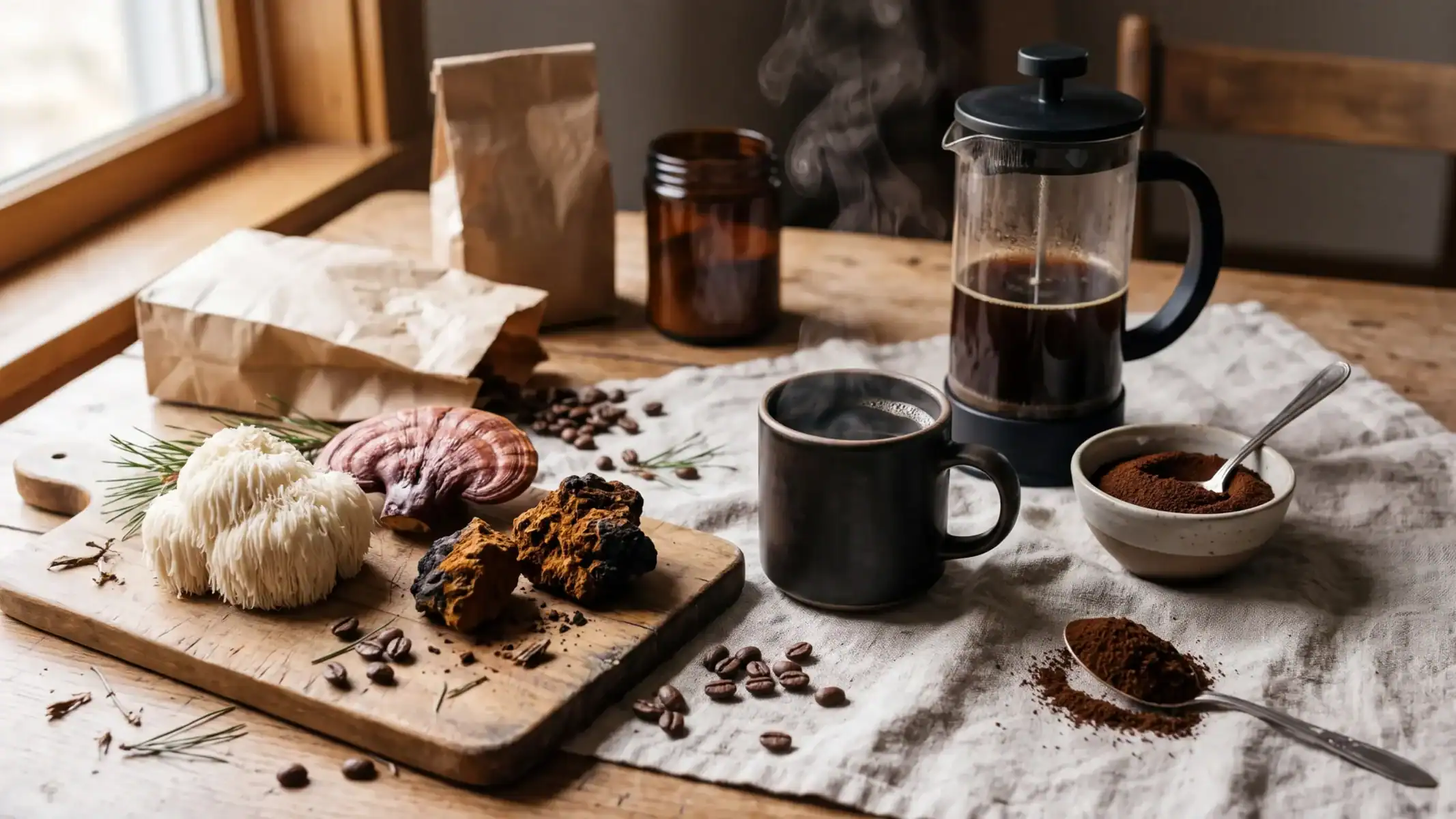
For beginners who already use a coffee maker, pre-ground mushroom coffee offers a fam...
Read Article →
Mushroom coffee suits coffee drinkers who want functional mushroom ingredients in a familiar brewed cup, while matcha suits those who prefer green tea flavor and naturally occurring L-theanine. Zen Nootropics offers the coffee-based option with organic Colombian coffee and five functional mushrooms, making it a practical choice for an established coffee routine. The mushroom coffee […]
Mushroom coffee suits coffee drinkers who want functional mushroom ingredients in a familiar brewed cup, while matcha suits those who prefer green tea flavor and naturally occurring L-theanine. Zen Nootropics offers the coffee-based option with organic Colombian coffee and five functional mushrooms, making it a practical choice for an established coffee routine.
The mushroom coffee vs matcha decision starts with the experience each drink offers. Both contain caffeine when made with caffeinated coffee or tea, and both attract people seeking focus and sustained energy. Their ingredients differ, though, and neither category guarantees fewer jitters or a particular health outcome.
For people exploring coffee alternatives, the useful distinction is straightforward: mushroom coffee preserves a coffee-centered ritual; matcha introduces a whole-leaf tea preparation with a distinctly different taste.
The mushroom coffee ingredients and brewing guide explains how to evaluate a blend before comparing it with matcha. If you usually brew loose leaves or tea bags, our mushroom coffee vs. brewed green tea comparison covers that preparation separately.
Mushroom coffee combines coffee with mushroom ingredients, while matcha consists of finely ground green tea leaves. That difference shapes their flavor, preparation, and naturally occurring compounds.
Mushroom coffee contains coffee alongside functional mushrooms, supplied as mushroom extracts or mushroom powder. The coffee component supplies caffeine unless the blend uses decaffeinated coffee.
Extracts and powders deserve separate attention. An extract undergoes processing intended to concentrate selected compounds; a powder consists of ground material whose composition depends on its ingredients and processing. A meaningful product comparison examines the mushroom species, ingredient form, and amount per serving.
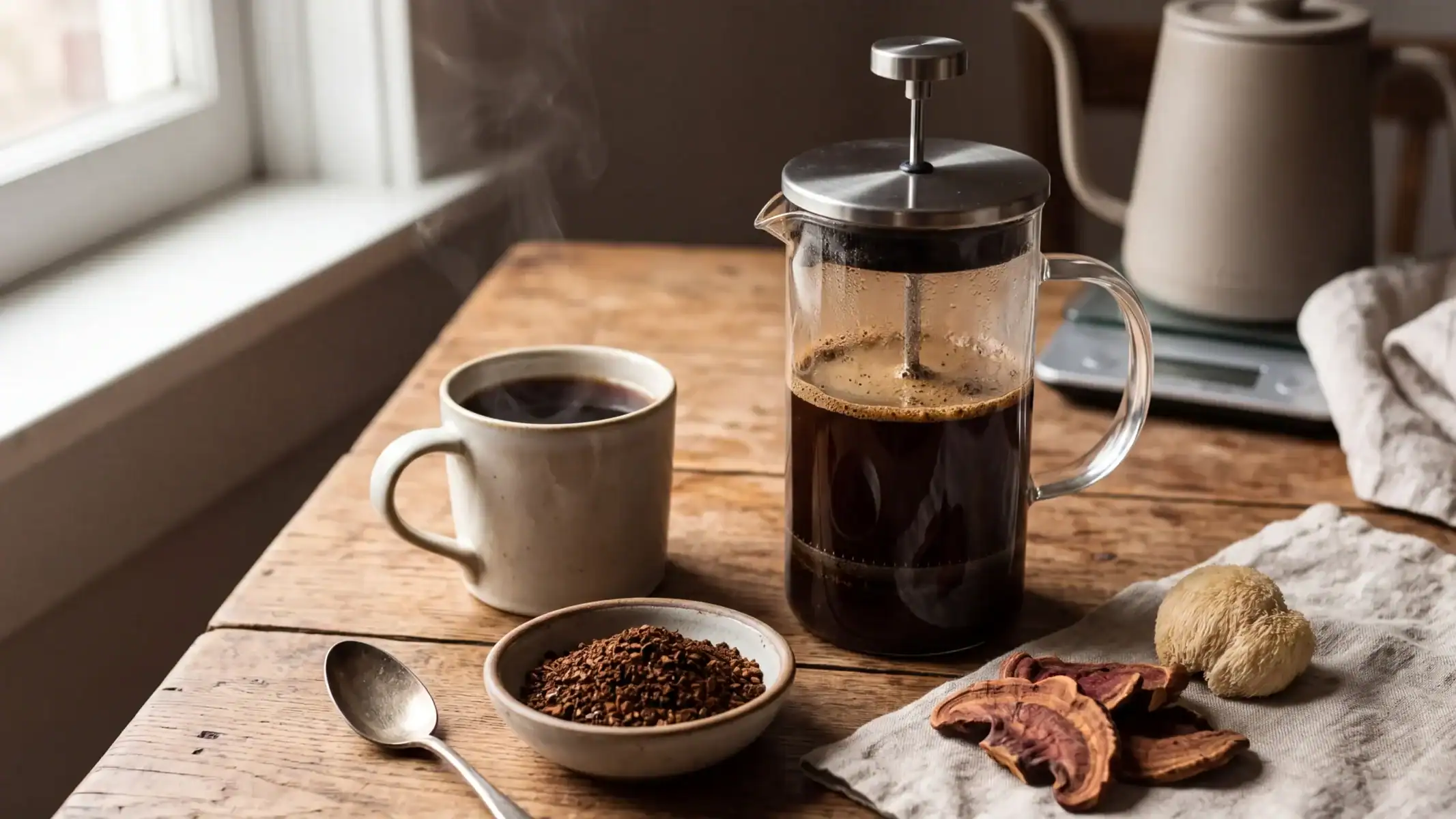
Some mushroom coffees dissolve in water, while others require brewing. Zen Nootropics belongs to the brewed category: its pre-ground coffee works with most coffee machines, pour overs, French presses, and some espresso machines.
Matcha is green tea powder made from leaves of Camellia sinensis. Preparation suspends the powder in liquid, so the drink includes the ground leaf material.
Matcha naturally contains caffeine and L-theanine, along with tea polyphenols. Their amounts vary with the tea and the quantity used per serving.
Plain matcha also differs from a prepared matcha latte mix. A mix’s ingredient list establishes whether it includes sugar, milk powder, or other additions that change the finished drink.
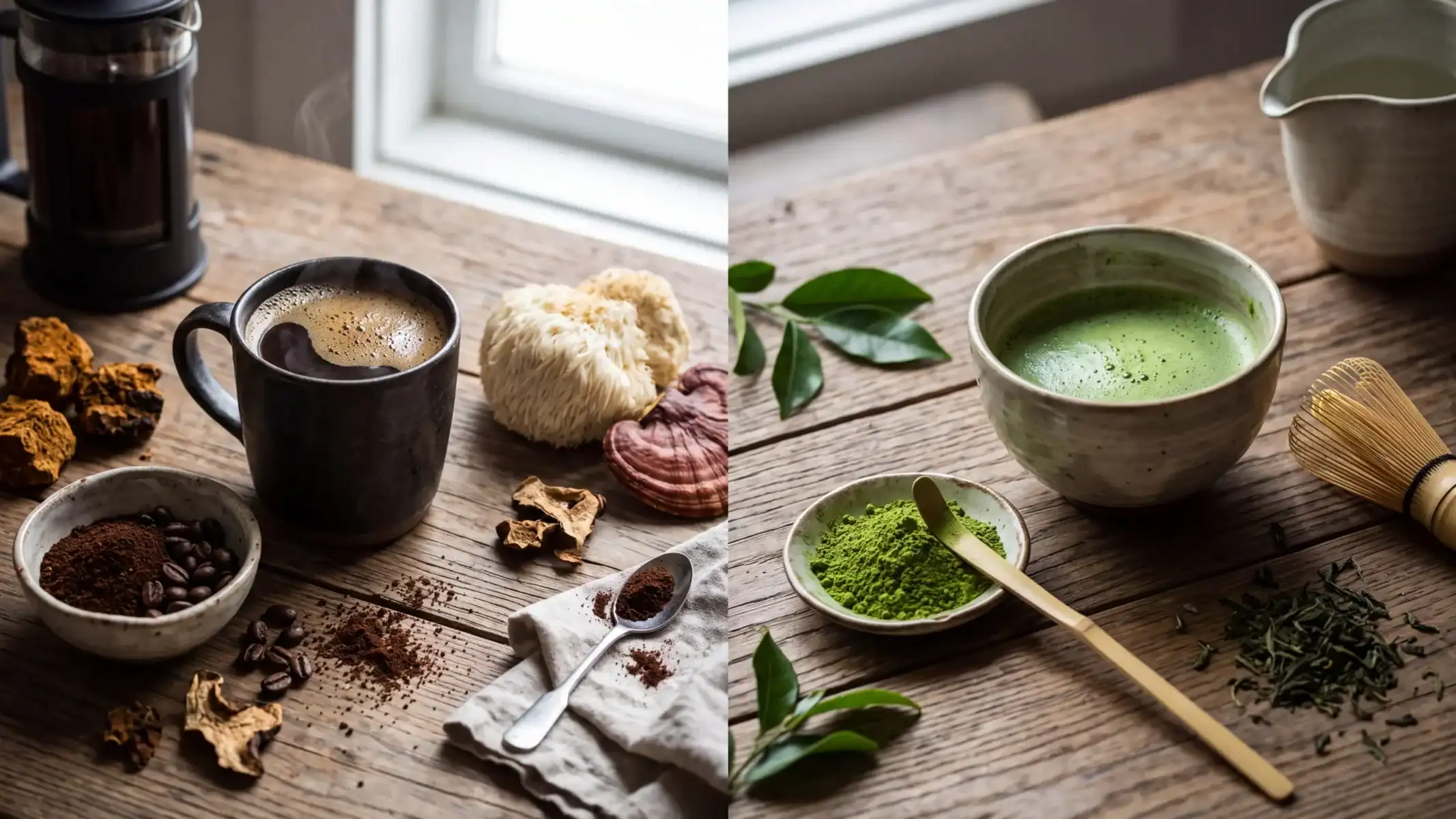
The clearest matcha vs mushroom coffee comparison separates category characteristics from individual product specifications. Caffeine content requires a defined serving, and mushroom coffee preparation requires checking whether the product is instant or ground.
| Criterion | Mushroom Coffee | Matcha |
|---|---|---|
| Base ingredients | Coffee plus mushroom ingredients | Powdered green tea leaves |
| Caffeine | Coffee- and serving-dependent | Tea- and powder-dependent |
| Characteristic compounds | Coffee compounds; mushroom constituents | L-theanine; tea catechins |
| Flavor | Roasted; blend-dependent earthiness | Vegetal; umami; some bitterness |
| Preparation | Brew grounds or dissolve instant blend | Whisk powder into liquid |
| Routine fit | Familiar coffee preparation | Tea-based preparation |
Milk and sweeteners change either drink’s flavor and nutritional profile. Comparing plain preparations first makes their underlying differences easier to assess.
The lower-caffeine choice is the product with less caffeine in the serving consumed. Matcha supplies L-theanine alongside caffeine, but the sensation of focus also reflects dose, sleep, and individual caffeine tolerance.
A category-wide caffeine estimate cannot establish the amount in a specific cup. For mushroom coffee, the coffee proportion, grounds used, brewing method, and finished volume influence caffeine content.
For matcha, the quantity of powder is especially important because the powder remains in the drink. Adding more water or milk dilutes its concentration without reducing the total caffeine from that powder.
Useful comparisons pair a stated caffeine amount with the manufacturer’s serving instructions. Adding mushrooms to coffee does not establish a particular caffeine reduction; that requires information about the finished blend.
Caffeine promotes alertness, while L-theanine is an amino acid associated with tea. Together, caffeine and L-theanine have shown benefits for selected attention tasks under controlled conditions.
Those findings have limits when applied to an everyday cup. Matcha’s naturally occurring amounts vary, and a serving does not automatically reproduce the doses used in cognitive performance experiments.
“Calm focus” also describes a subjective experience. A person who enjoys matcha’s effects still needs to account for its caffeine, particularly if that person experiences anxiety or a racing heartbeat after caffeinated drinks.
Caffeine tolerance influences how noticeable a serving feels. A habitual coffee drinker and an occasional tea drinker can experience the same amount differently.
Timing adds another variable. Caffeine consumed later in the day can interfere with sleep, which complicates attempts to judge whether a drink supports next-day concentration.
A useful comparison keeps the serving and time of day consistent. Recording sleep quality alongside alertness and unwanted effects gives a clearer picture than increasing the dose whenever a drink feels less stimulating.
The additional ingredients distinguish the drinks chemically, while their practical benefits depend on the preparation and dose. Functional mushroom research and tea research support narrower conclusions than broad promises of better brain health or stress relief.
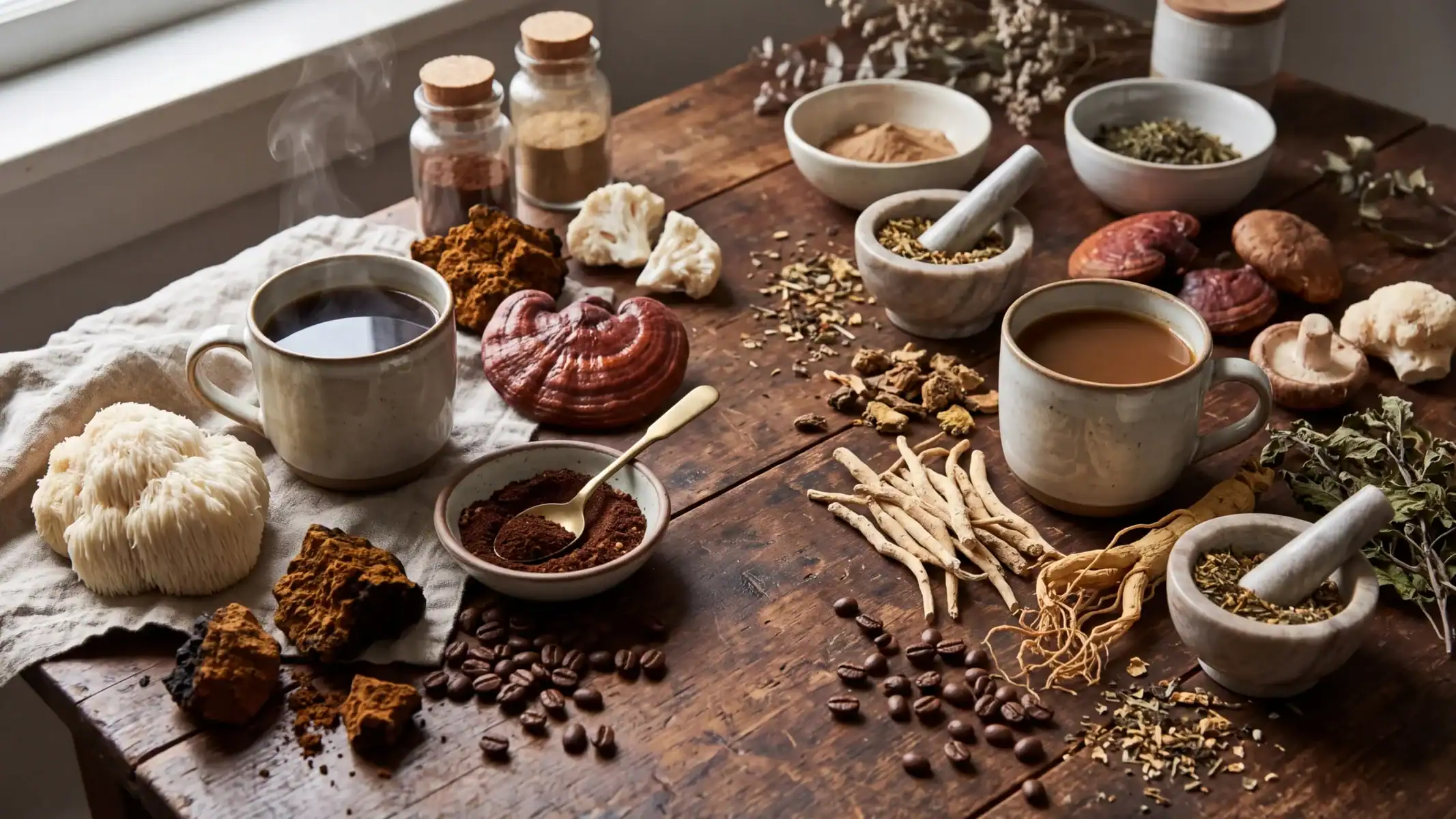
Zen Nootropics includes lion’s mane, cordyceps, reishi, chaga, and turkey tail in its mushroom coffee. These functional mushrooms have different constituent profiles and histories of traditional use.
Lion’s mane receives attention for cognitive support, and cordyceps for energy and exercise-related applications. Reishi is associated with relaxation and immune support. Chaga receives interest for its antioxidant compounds, while turkey tail contains polysaccharides studied in immune-related contexts.
Mushroom ingredients contain compounds such as beta-glucans, a class of polysaccharides. Their concentration varies by species and processing. Terms such as “medicinal mushrooms,” “adaptogens,” and “nootropic” describe traditional uses or intended positioning; they do not establish the effect of a particular coffee.
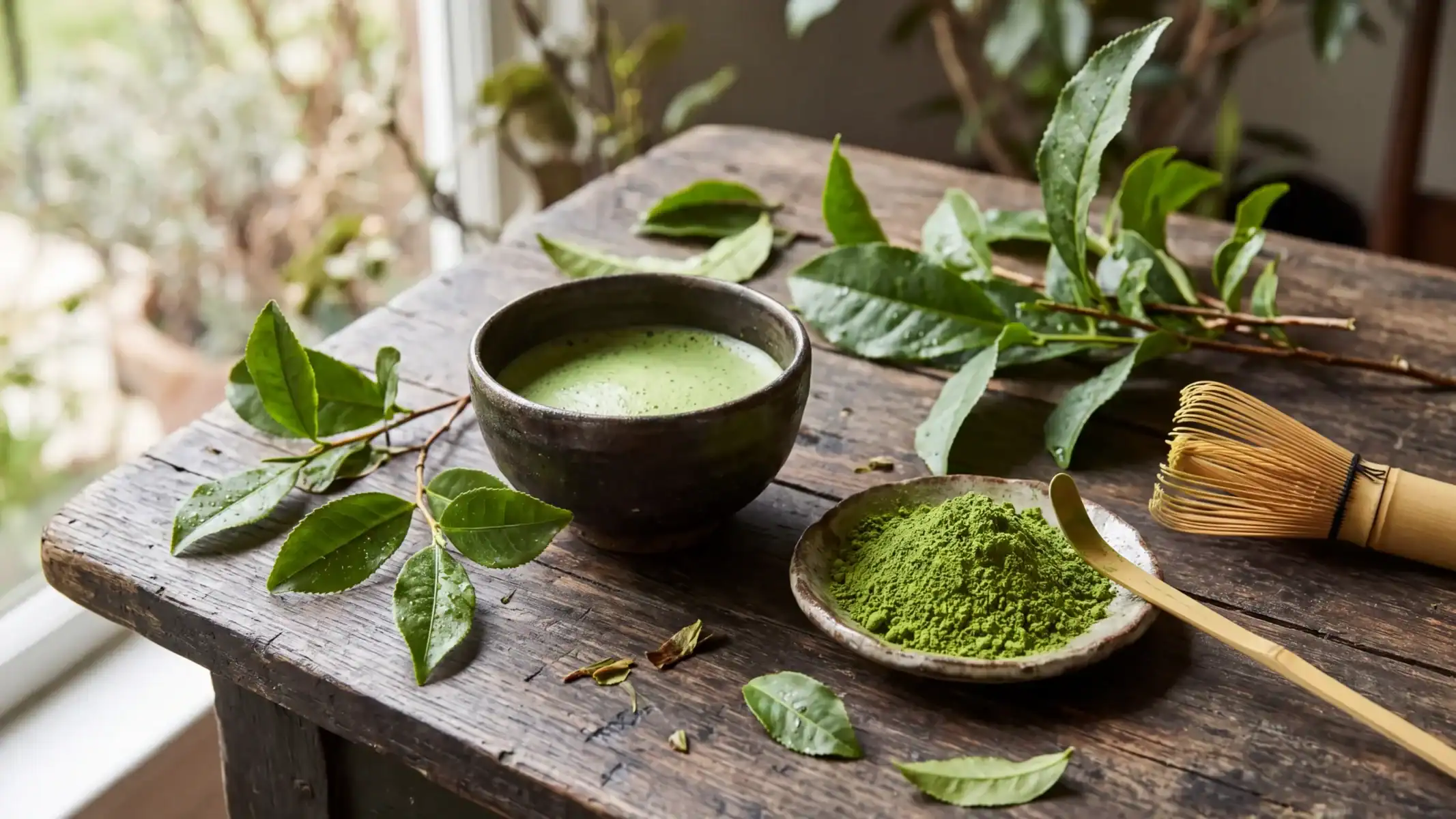
Matcha supplies tea polyphenols, including catechins. One prominent catechin is epigallocatechin gallate (EGCG), which receives substantial attention in green tea research.
These compounds contribute to matcha’s antioxidant chemistry. Antioxidant activity measured in a laboratory does not establish a specific health outcome from drinking a cup.
The amount consumed depends on the tea powder and serving. Concentrated green tea extracts also represent a different exposure from an ordinary matcha beverage, so their findings and safety considerations require separate interpretation.
Ingredient findings apply most directly to the preparation and amount examined. A concentrated extract used in an experiment differs from a coffee blend containing several mushroom ingredients.
Mushroom coffee benefits therefore require careful wording. Evidence involving a particular lion’s mane preparation does not establish that every lion’s mane coffee improves memory, and a mushroom blend’s ingredient list alone cannot predict its effects.
The same standard applies to matcha. Evidence about isolated EGCG or supplemental L-theanine provides context, while claims about a finished drink require evidence involving that drink or a closely comparable preparation.
Mushroom coffee fits an established coffee setup, while matcha offers a vegetal flavor and a whisked preparation. Taste preference and available equipment provide concrete reasons to choose either.
A coffee-based mushroom blend retains roasted coffee character, with the final taste shaped by its beans and mushroom ingredients. Zen Nootropics describes its coffee as bold, complex, and smooth, with tasting notes of dark chocolate and cinnamon.
Matcha brings grassy or vegetal notes, umami, and varying bitterness. Powder freshness and preparation influence how balanced those qualities taste.
“Ceremonial-grade matcha” is a commercial quality description without a universally standardized grading system. A buyer benefits from checking the producer’s intended use, particularly whether the powder is suited to drinking plain or mixing into a latte.
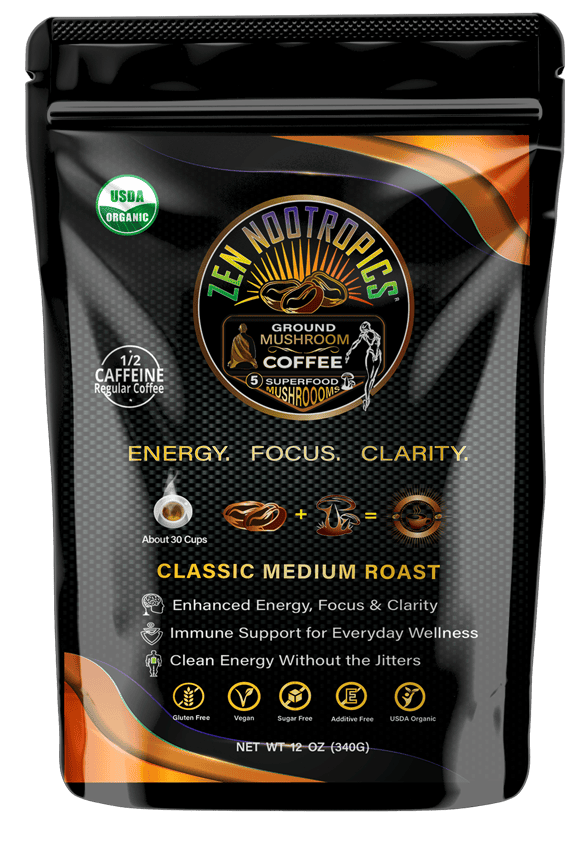
Zen Nootropics requires brewing because it is pre-ground coffee. Its mushroom coffee combines USDA organic Colombian coffee with five functional mushrooms and is ground for use in most coffee machines, pour overs, French presses, and some espresso machines.
The grind still needs to suit the equipment. Espresso machines have more specific grind requirements, so compatibility deserves a check before purchase.
Matcha preparation involves dispersing powder evenly in liquid. Sifting helps break up clumps, and whisking it with a small amount of warm water before adding more liquid produces a smoother mixture. Powder settles over time, so stirring again helps maintain an even texture.
An existing coffee maker makes a brewed mushroom blend straightforward to incorporate. The person preparing it keeps the familiar brewing process while changing the blend.
Matcha suits someone who enjoys tea flavor and the preparation involved in whisking powder. A whisk or handheld frother helps disperse it, and the drink works in warm or iced preparations.
For either choice, sustained energy remains an individual experience. A consistent serving makes it easier to judge comfort and alertness without confusing the comparison through changing portions.
A useful purchase comparison examines the actual serving, ingredient disclosures, and preparation requirements. Personal caffeine sensitivity and medication use also deserve attention before a change becomes routine.
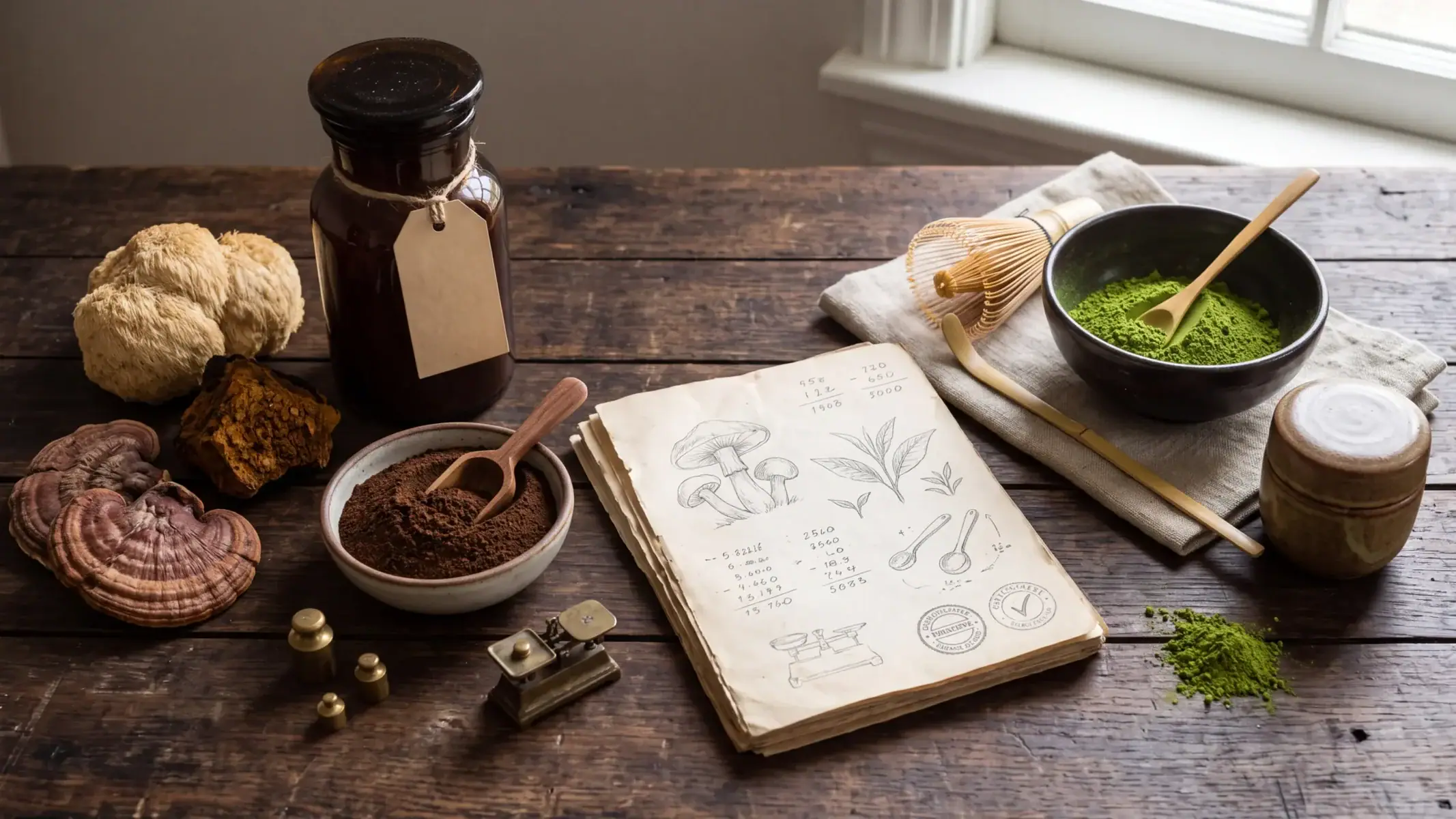
Cost per serving is most useful when calculated from the amount a person plans to prepare. Dividing the package price by that serving count gives a practical comparison; shipping and milk additions affect the total expense.
For mushroom products, useful disclosures include species names, mushroom extract or powder form, and amounts per serving. A beta-glucan measurement provides more specific composition information than a broad claim about total polysaccharides. Independent testing for identity and contaminants adds another quality check.
Zen Nootropics identifies its coffee as USDA organic Colombian coffee and mentions single-source, fair-trade coffee beans. Those claims concern the stated coffee attributes; each certification or quality statement should be read within its stated scope.
Zen Nootropics and RYZE require comparison at the individual product level. A brand name alone does not establish a serving’s caffeine or mushroom content.
A comparison involving RYZE mushroom coffee should use the current package directions and disclosures for that specific product. The corresponding Zen Nootropics comparison starts with its pre-ground Colombian coffee and the five named mushrooms.
A precise caffeine comparison requires amounts tied to equivalent prepared servings. Likewise, a larger number of mushroom species does not establish a stronger effect; the ingredient forms and doses remain relevant.
People with caffeine sensitivity should assess both beverages as caffeine-containing options. L-theanine and mushroom ingredients do not remove caffeine from the finished drink.
A mushroom allergy warrants checking the full blend and consulting an appropriate clinician before use. Prepared latte mixes also require an allergen check because their ingredients differ from plain tea powder or coffee.
Anyone taking medication should discuss functional mushroom blends with a pharmacist or clinician, especially when treatment involves blood clotting, blood sugar, or immune function. Pregnancy, breastfeeding, and kidney disease also warrant individualized advice before adopting a mushroom supplement beverage. New or persistent symptoms call for stopping the product and seeking medical guidance.
Mushroom coffee is a practical fit for people who enjoy roasted coffee and want functional mushroom ingredients in the same routine. Zen Nootropics offers that format as pre-ground Colombian coffee with five functional mushrooms. Matcha suits people who prefer whole-leaf green tea flavor and naturally occurring L-theanine.
A manageable starting point is a small purchase prepared according to its package directions. Keeping the serving and drinking time consistent helps identify which option tastes better, fits the available equipment, and feels comfortable to drink. Before committing to recurring orders, the buyer should check caffeine information and calculate the cost of the portion they expect to use.
Neither is universally better. Mushroom coffee may suit people who prefer brewed coffee flavor and preparation, while matcha suits those who enjoy green tea and its naturally occurring L-theanine. Compare caffeine per prepared serving, ingredient disclosures, price, and personal tolerance.
Not necessarily. Caffeine varies by the coffee blend, matcha powder amount, and serving size. Check product-specific caffeine disclosures rather than assuming either category is lower.
Many adults include caffeinated beverages in their routines, but individual tolerance, medications, pregnancy, and health conditions matter. The FDA provides general guidance on caffeine intake; consult a qualified clinician for individualized advice.
For evidence-based context, see the U.S. FDA guidance on caffeine consumption and the NIH NCCIH overview of green tea. Research on individual ingredients should not be interpreted as proof that a finished beverage treats or prevents disease.